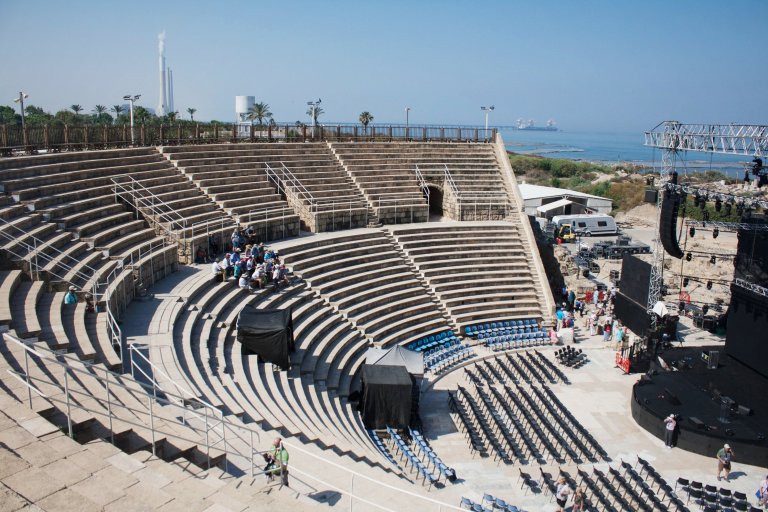
Herod’s Theatre in Caesarea, the first theatre in the land.
Our first stop today was in Caesarea to the ruins of one of Herod’s Palace. The theatre here was rebuilt on the original, and a lot of the stone you can see is from the original. Caesarea was originally built by Herod the Great, but control of the area changed hands several times throughout history. The palace and temple were destroyed and rebuilt with each new seize of control.
It was in Caesarea that Peter met Cornelius in Acts 10. Peter just had a dream where God told him that no man was to be called unclean and that even though Cornelius was a Gentile, he was supposed to share the gospel with him. The whole household of Cornelius was baptized that day, paving the way for Gentiles to become Christians. We are the fruit of a gospel that came to a European, as Cornelius was from Italy.
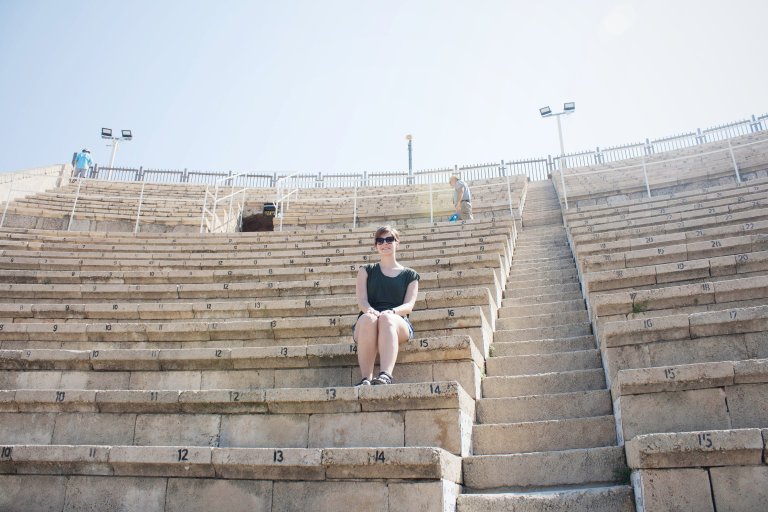
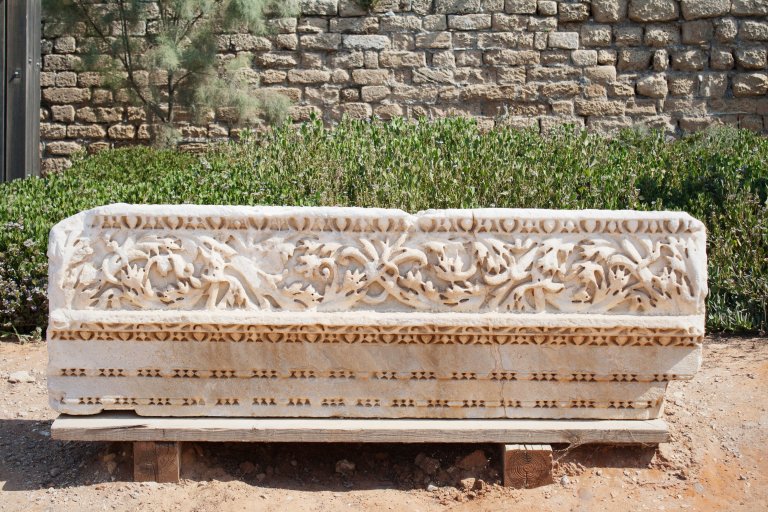
Some of the original stone from Herod’s Palace.
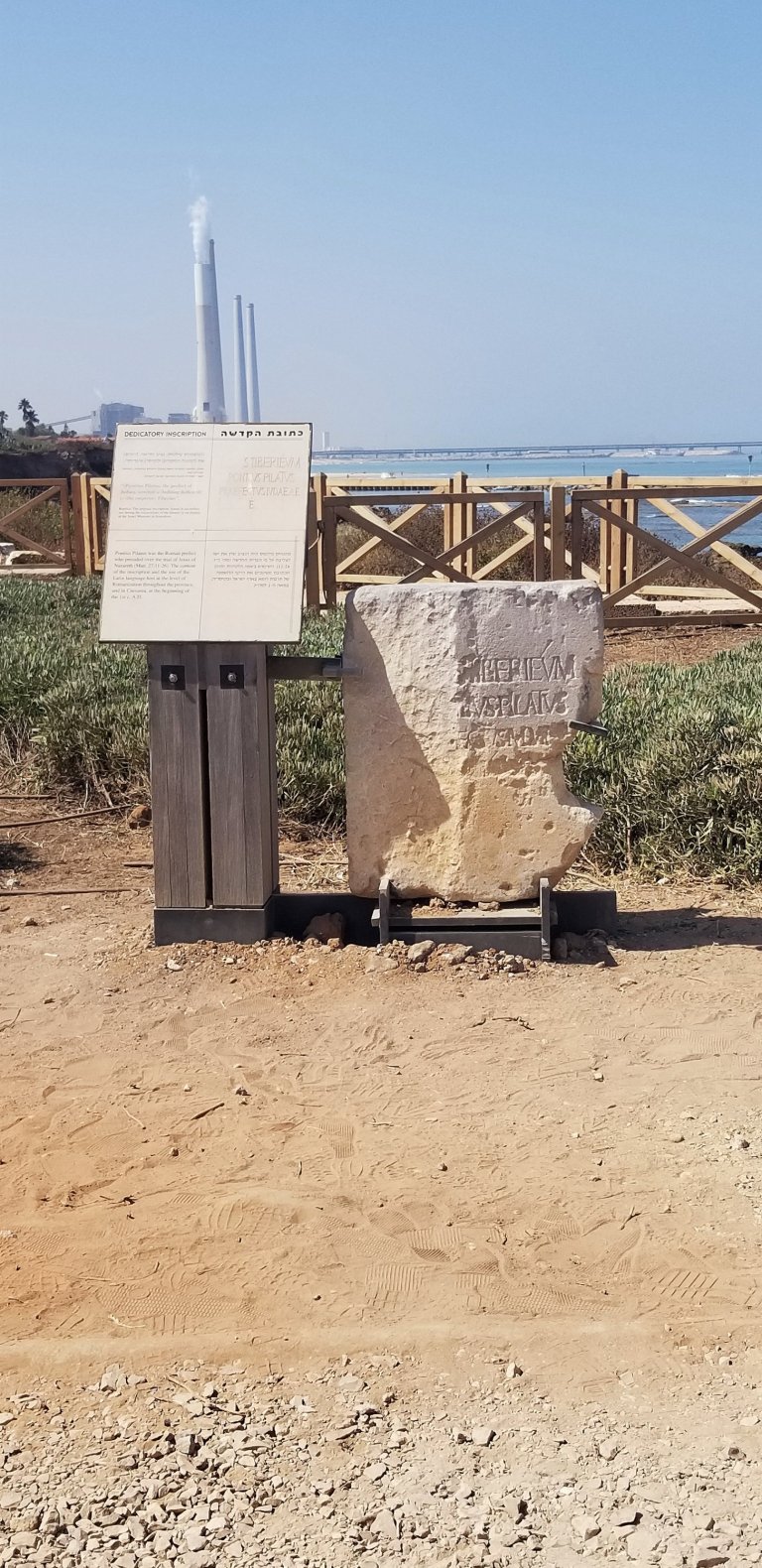
This stone is a replica of one that was found during the excavation of the area. On the stone is engraved Pontius Pilate’s name, one of the only places his name can be found other than the bible. This is artifactual evidence of the stories in the bible being true.
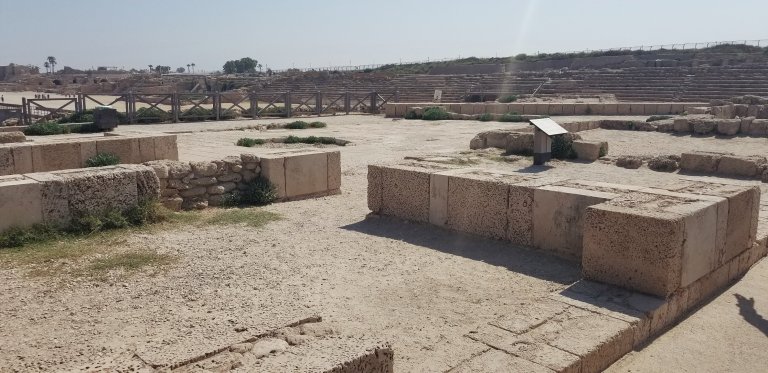
When Paul was imprisoned and appealed to Caesar, he most likely would have been imprisoned somewhere here in Caesarea.
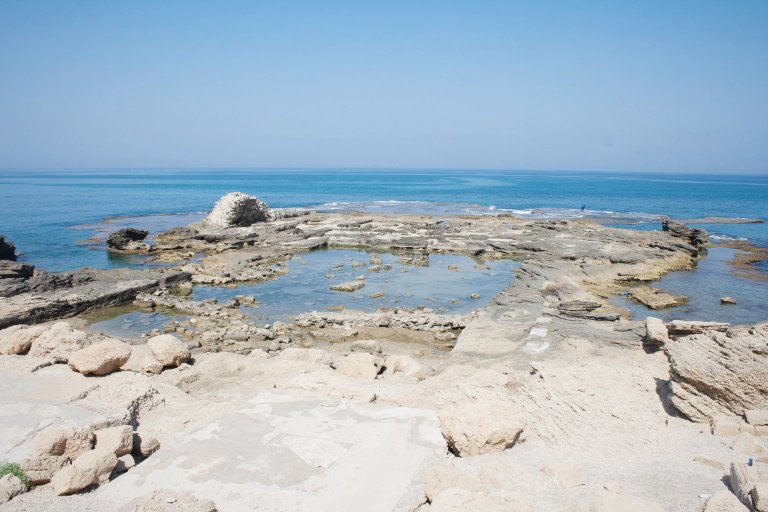
What is left of Herod’s Palace in Caesarea. This was his swimming pool.
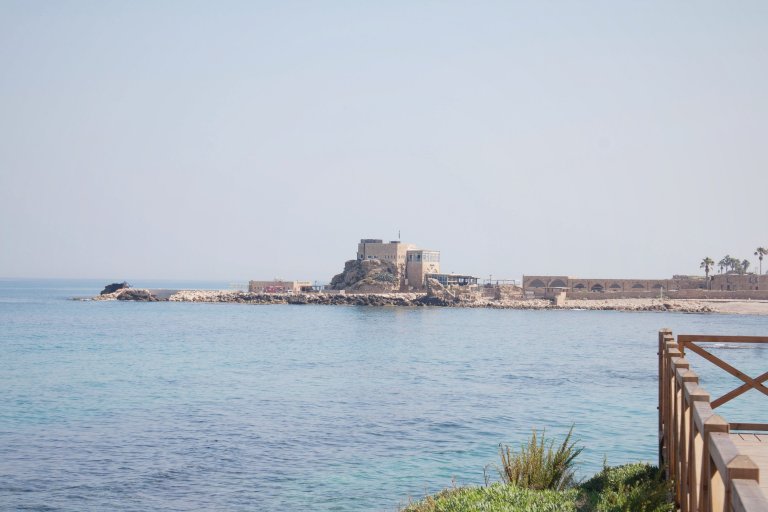
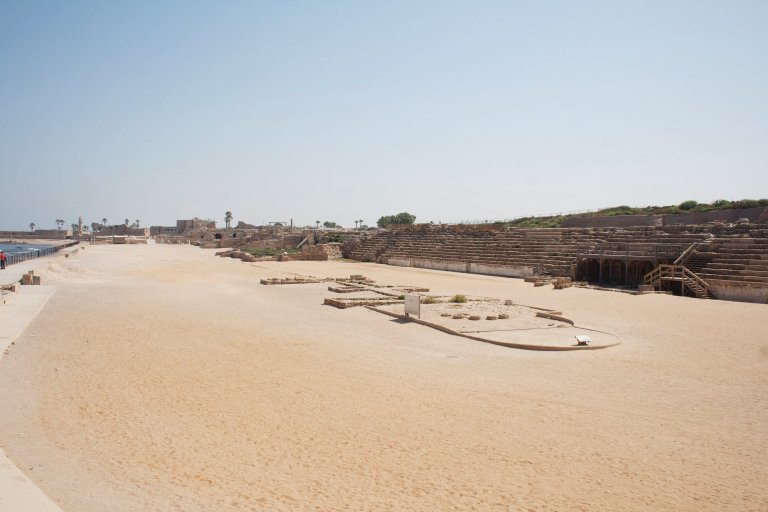
This is the site where the Chariot Races and gladiator games were held. It was here in this exact spot that many of the early Christians were persecuted and killed.
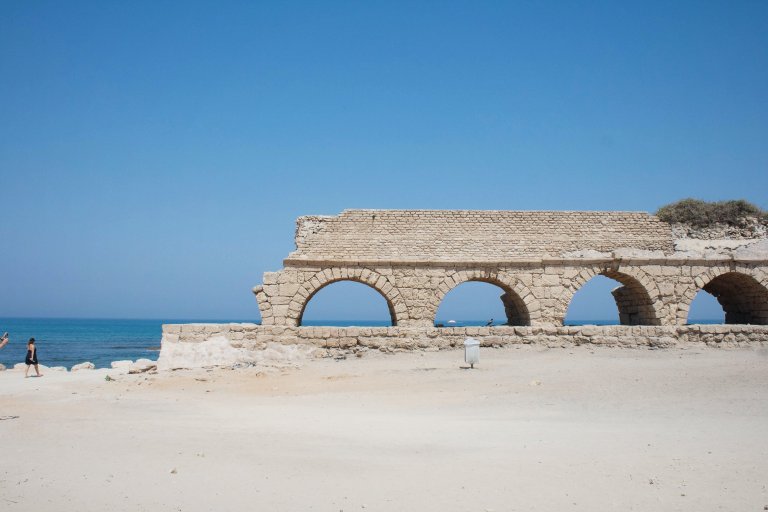
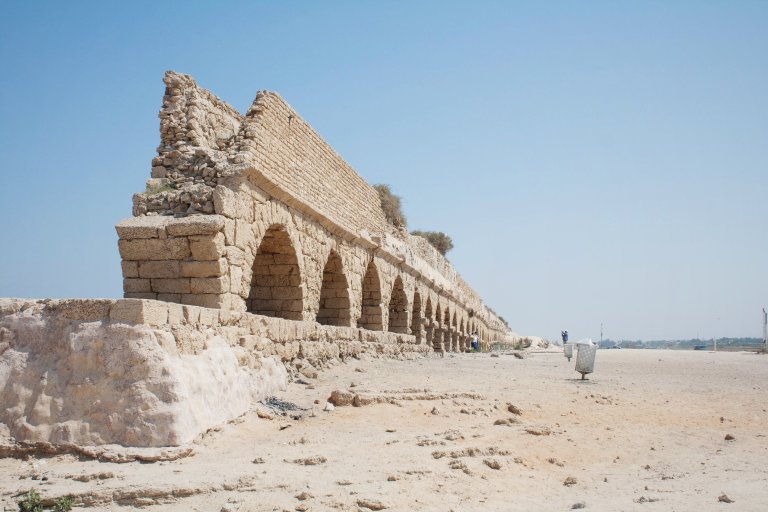
Here you see the ruins of the aqueduct which brought water into Caesarea.
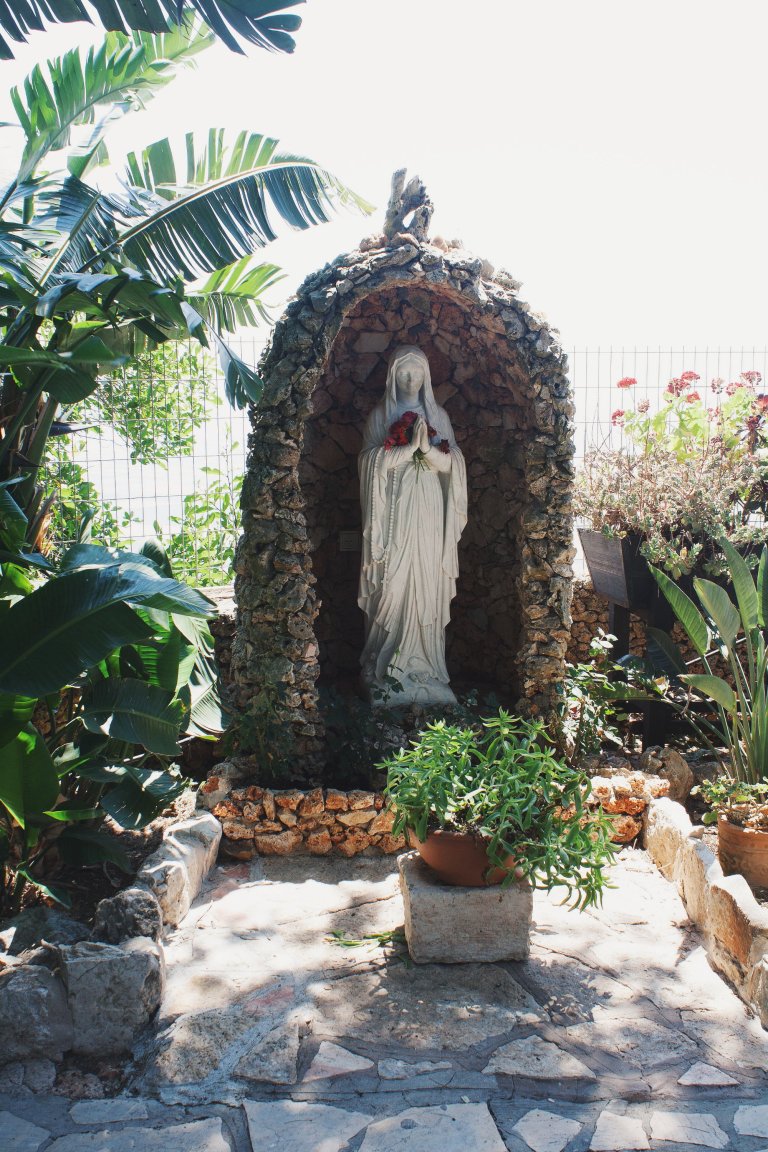
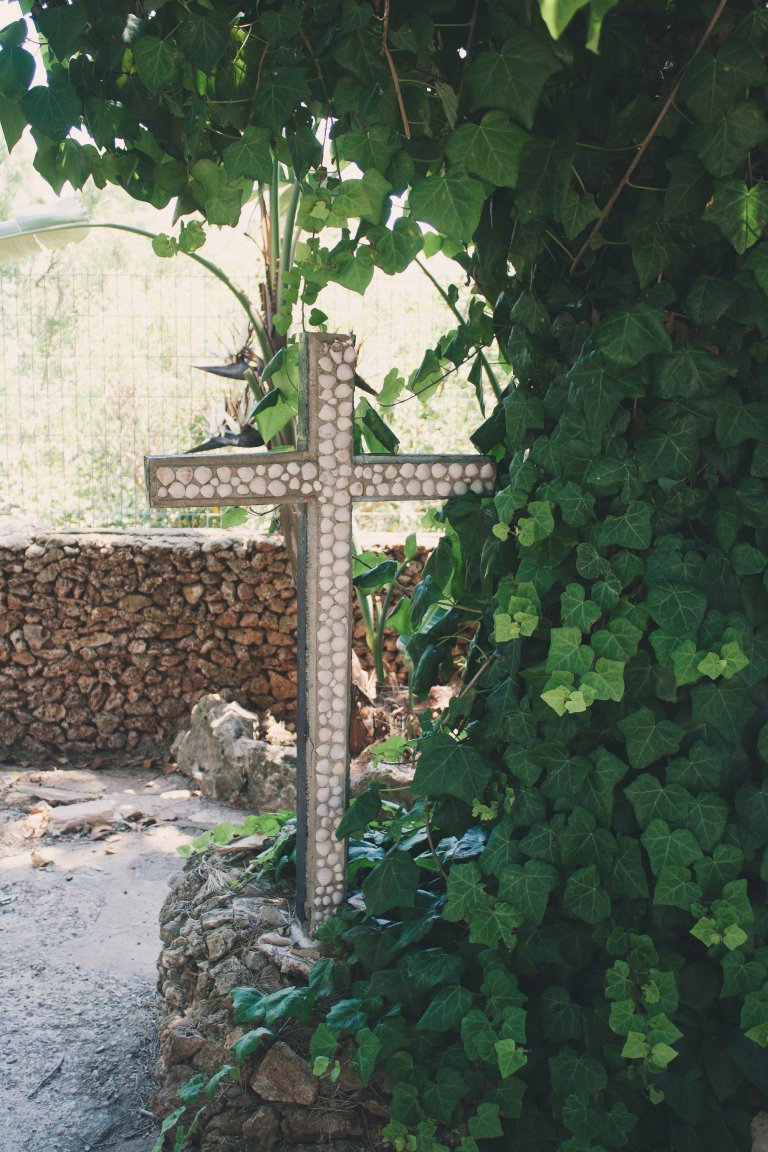
Next we headed to Mount Carmel, the place where Elijah confronted Ahab and the 450 prophets of Baal. A church was erected here in memorial of Elijah slaying the prophets of Baal and turning the people’s hearts back to God.
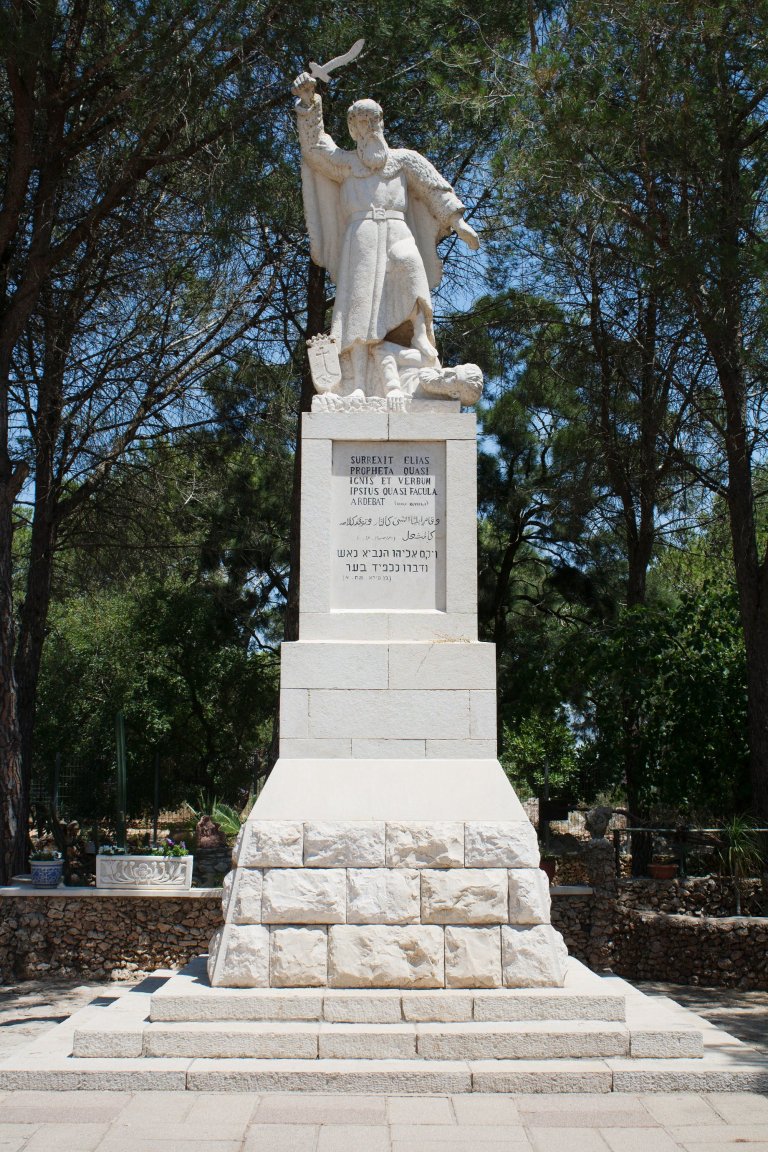
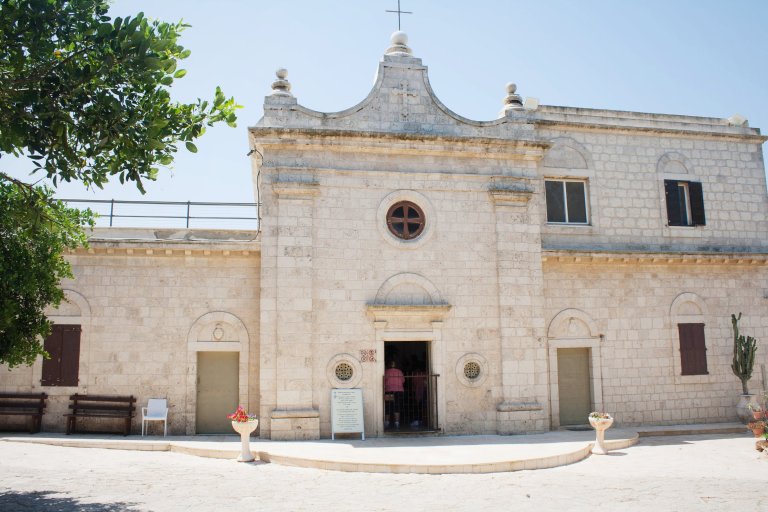
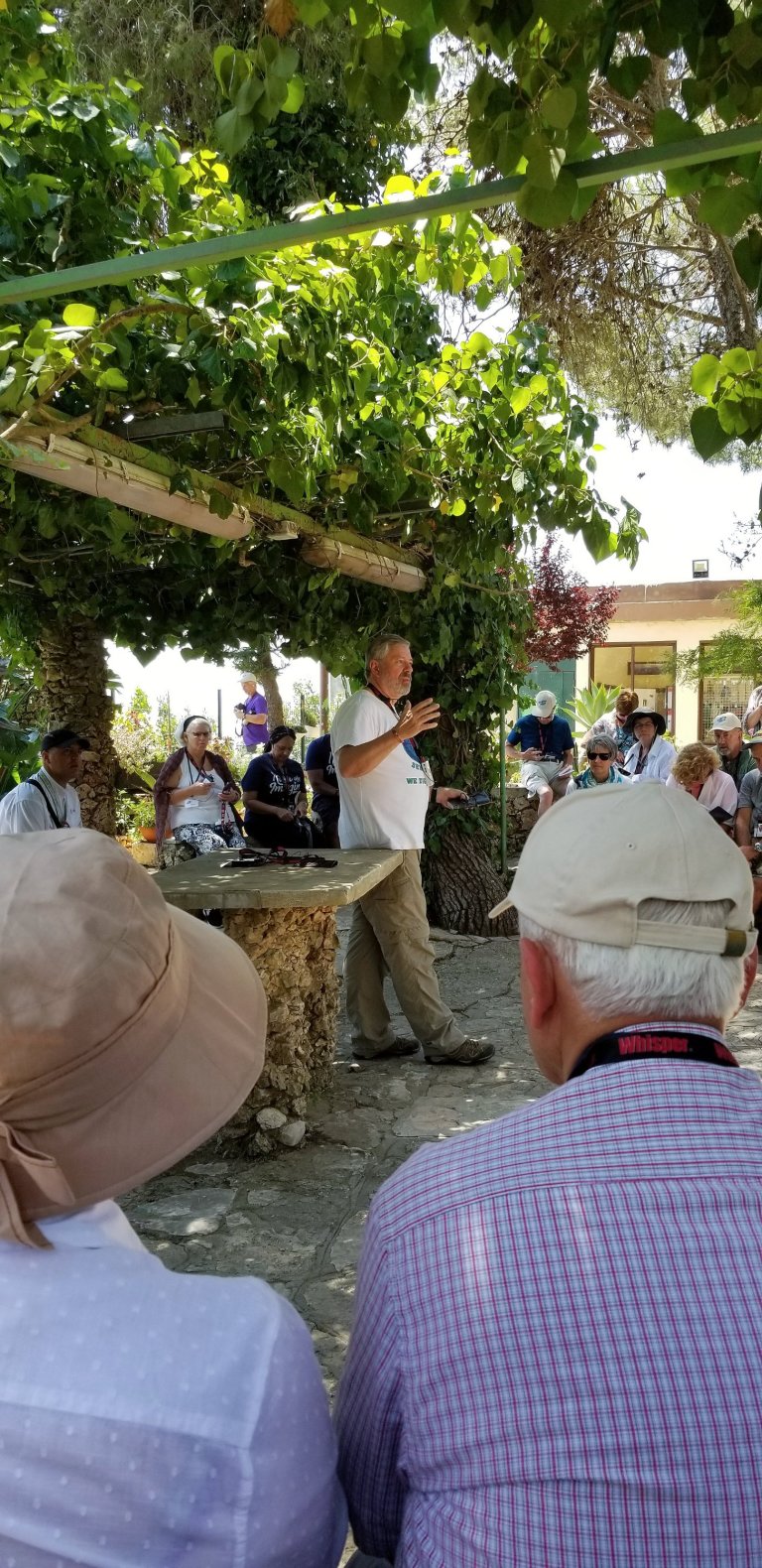
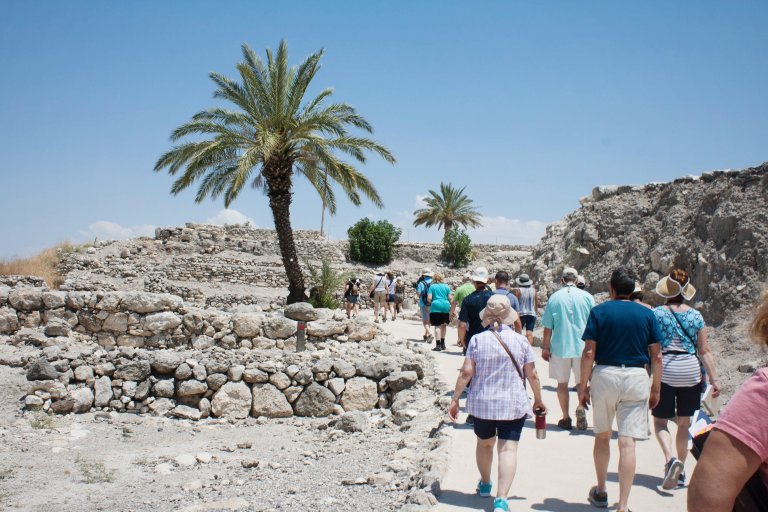
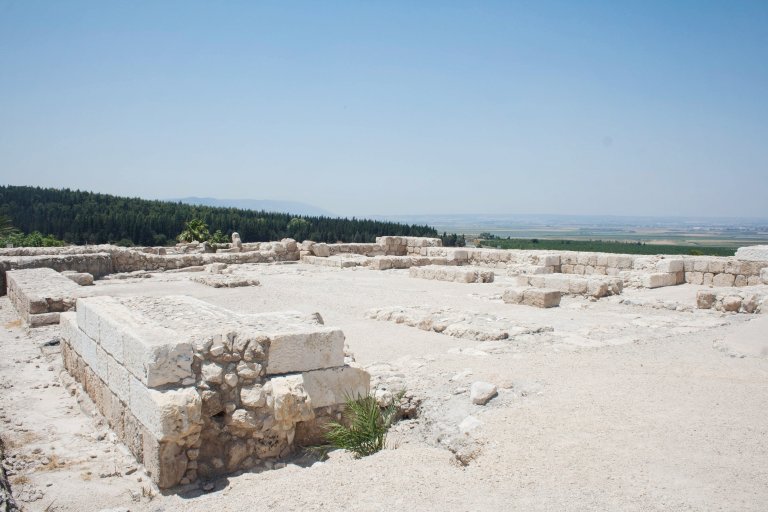
After Mount Carmel we had lunch and then visited Megiddo, a city conquered and rebuilt by King Solomon. Megiddo is also known as the “Place of Troops” because it was a very strategic city. It’s right beside the Jezreel Valley, and whoever controlled Megiddo controlled the Jezreel Valley. Many battles were fought here for control of the city and Jezreel Valley. It is said that more blood has been shed over the Jezreel Valley than anywhere else in the history of the Earth.
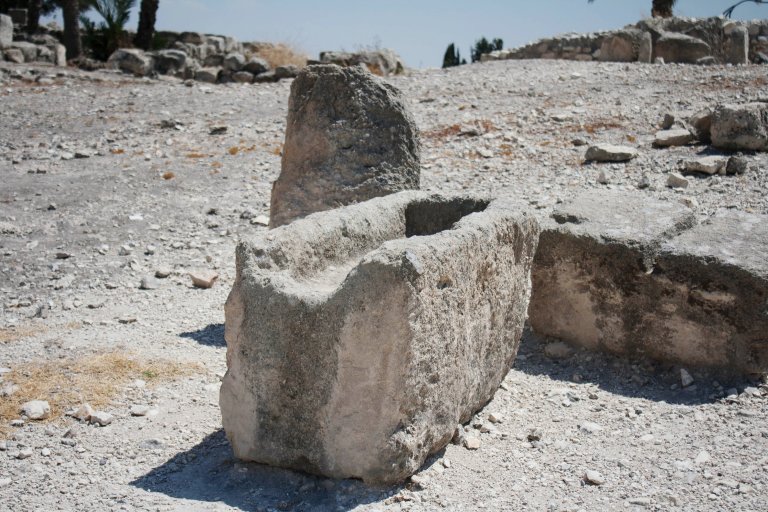
This is a manger. Contrary to popular belief, mangers were actually made out of stone instead of wood, as lumber was not very common in the land. It’s probable that Jesus was actually born in a stone manger like this one.
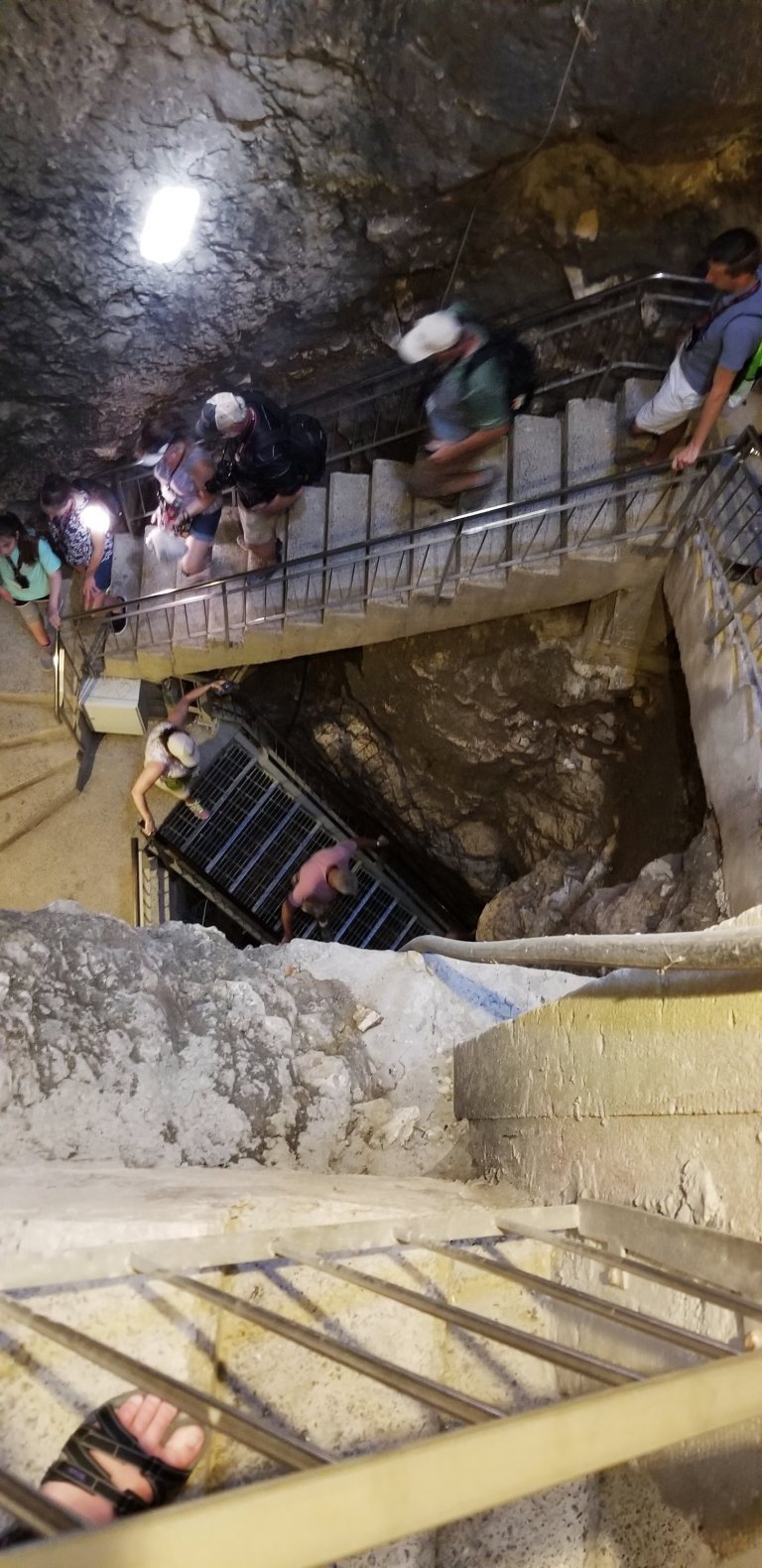
Here we are going down into the the water tunnel where water came into the city from the spring. It was much cooler down here!
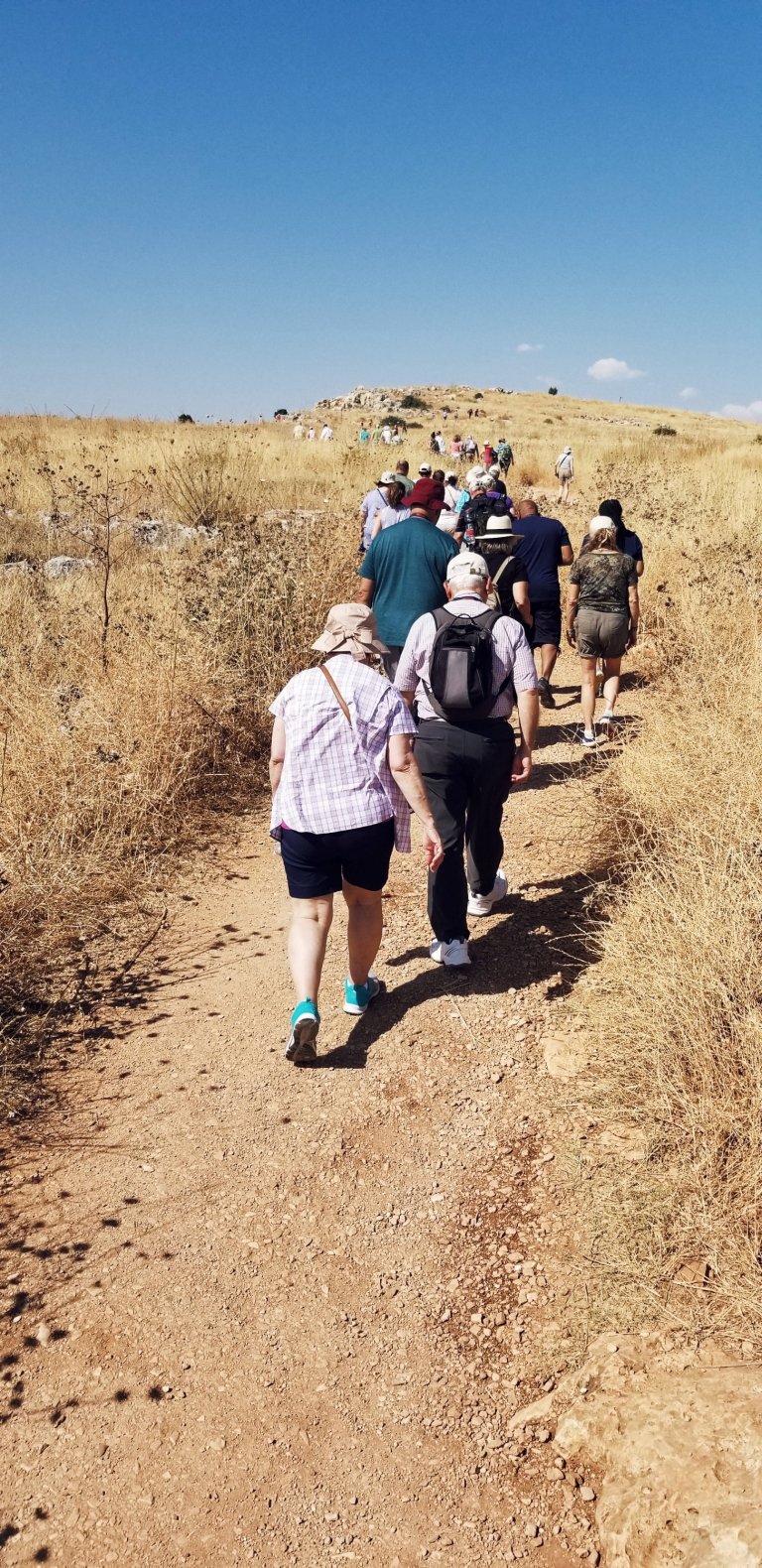
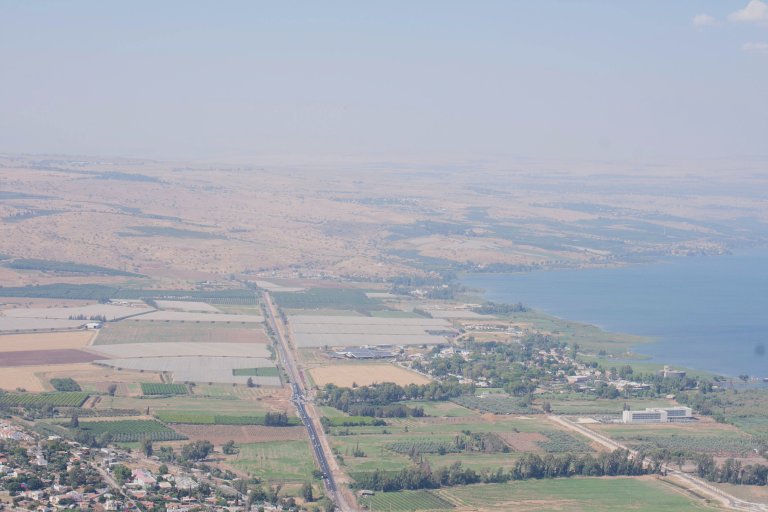
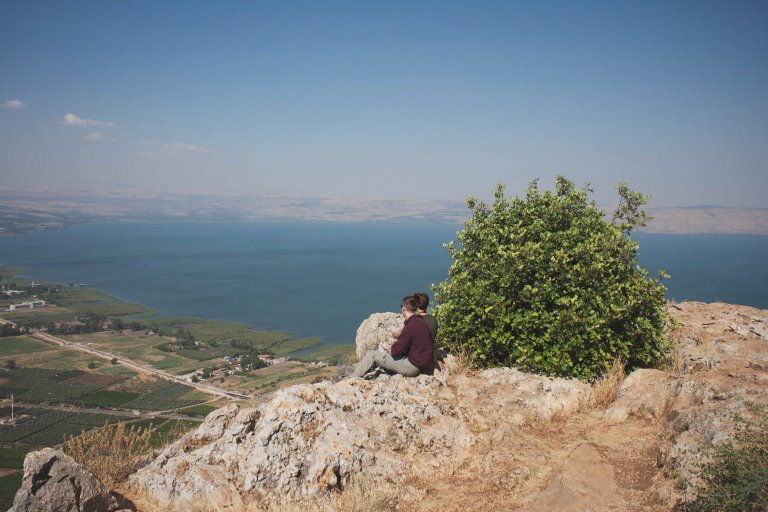
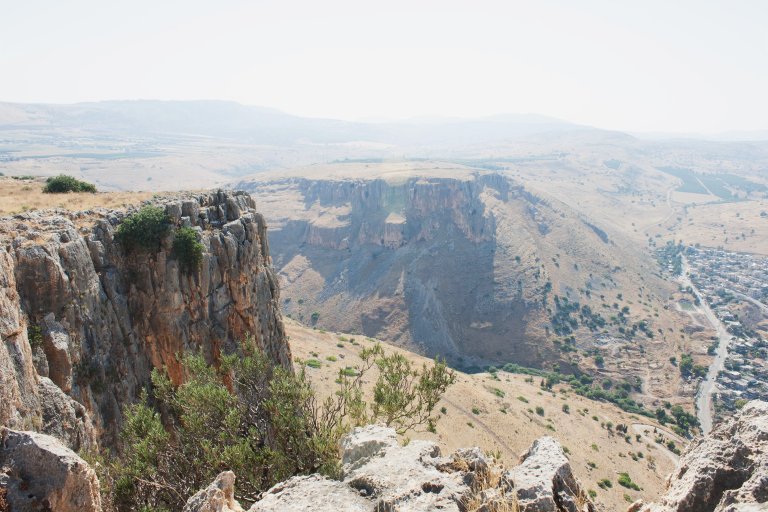
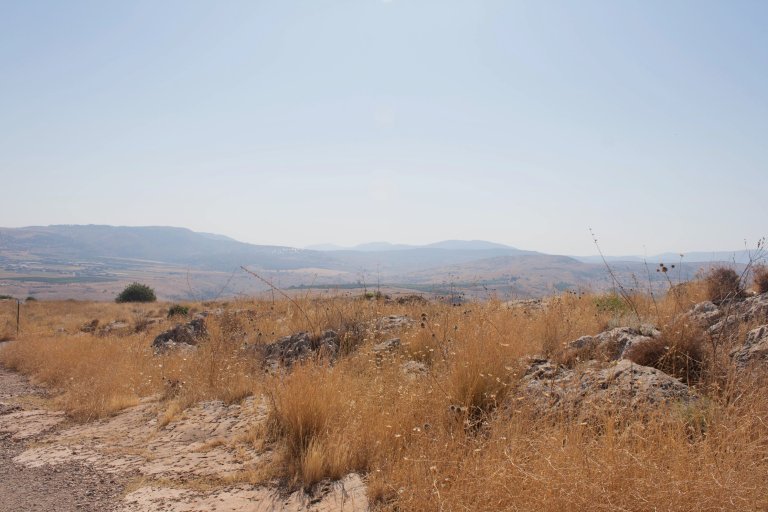
Next we went on a short hike to Mount Arbel, an overlook of The Sea of Galilee. From there you can see a valley where Jesus probably walked in order to get from The Sea of Galilee to Nazareth.
Mount Arbel isn’t a biblical site, but it’s a historical one. It’s the place of one of the first Jewish revolts after the death of Christ. The Romans lowered crates down the side of the mount to fire arrows at the rebels that were hiding out in the caves here.
It was amazing seeing the Sea of Galilee, the place where Jesus walked on water, calmed the storm, and fed over 5,000 people.
Next stop was at our hotel in Tiberias. From our hotel you can see the Sea of Galielle. After dinner we walked down by the Sea where there were many shops and things to see.
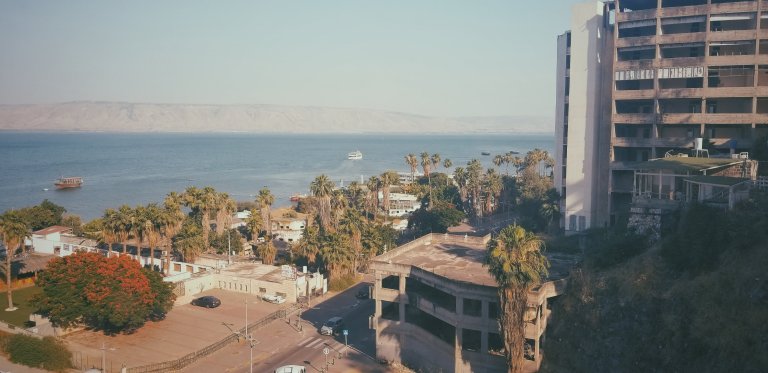
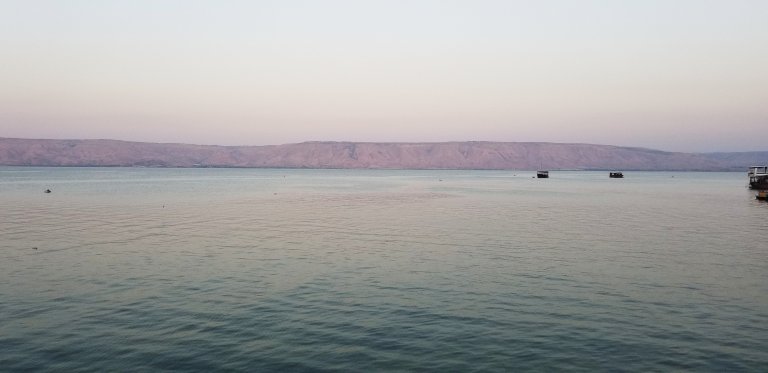
The Sea of Galilee. This is where Jesus walked on water. This is where the wind and the wave obeyed his command!
That’s all for today! Tomorrow we will actually go out on the Sea of Galilee. Until then, thanks for reading!
 Imagine Israel
Enjoyed reading! And the pics.
LikeLiked by 1 person
Very nice! Loved the pics.
LikeLiked by 1 person