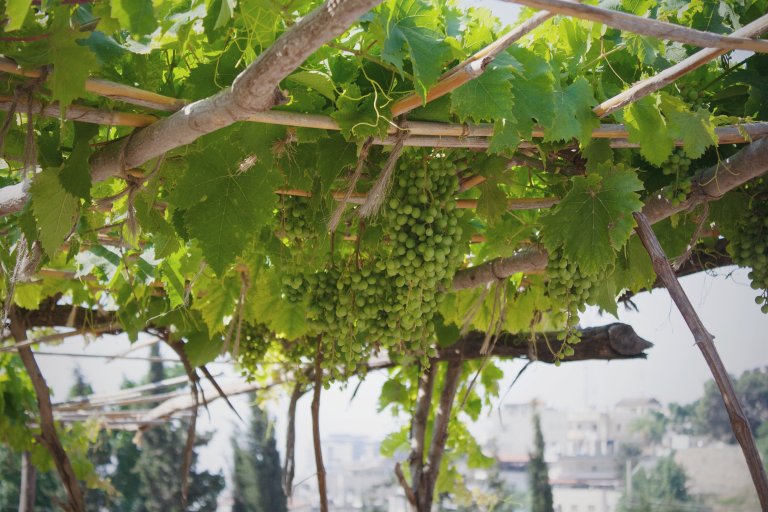
“A shoot will come up from the stump of Jesse; from his roots a Branch will bear fruit.” Isaiah 11:1 (NIV)
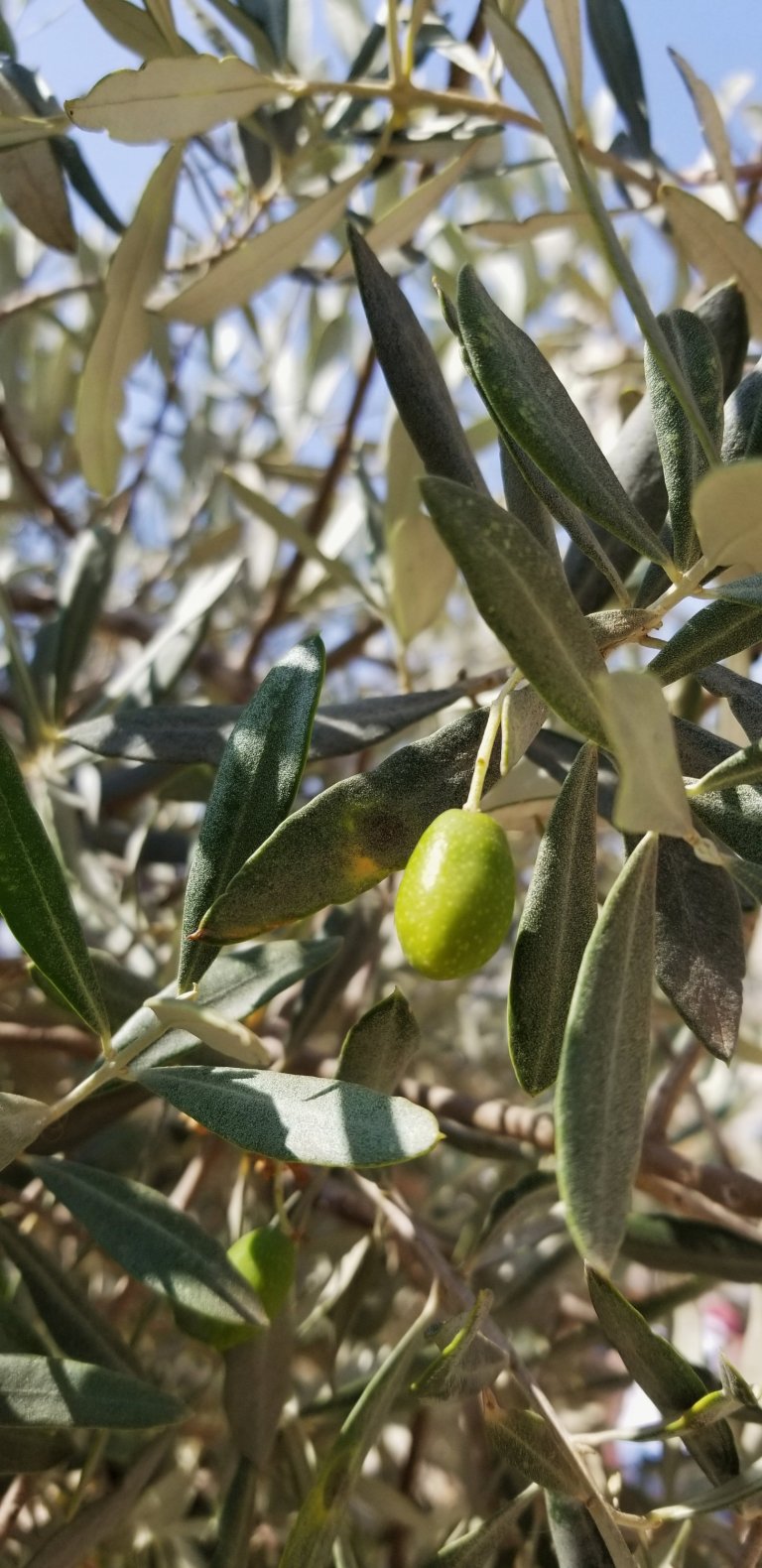
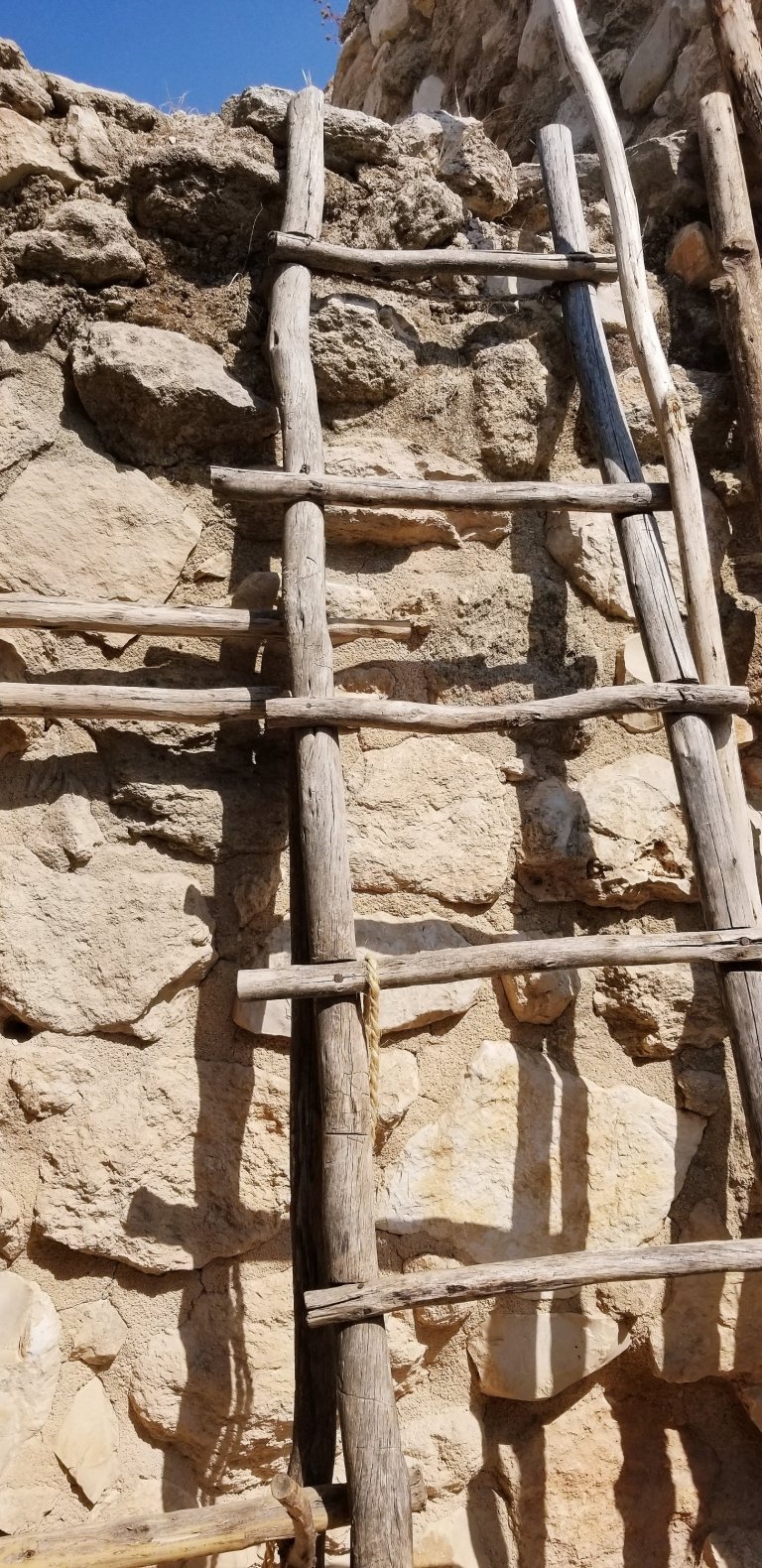
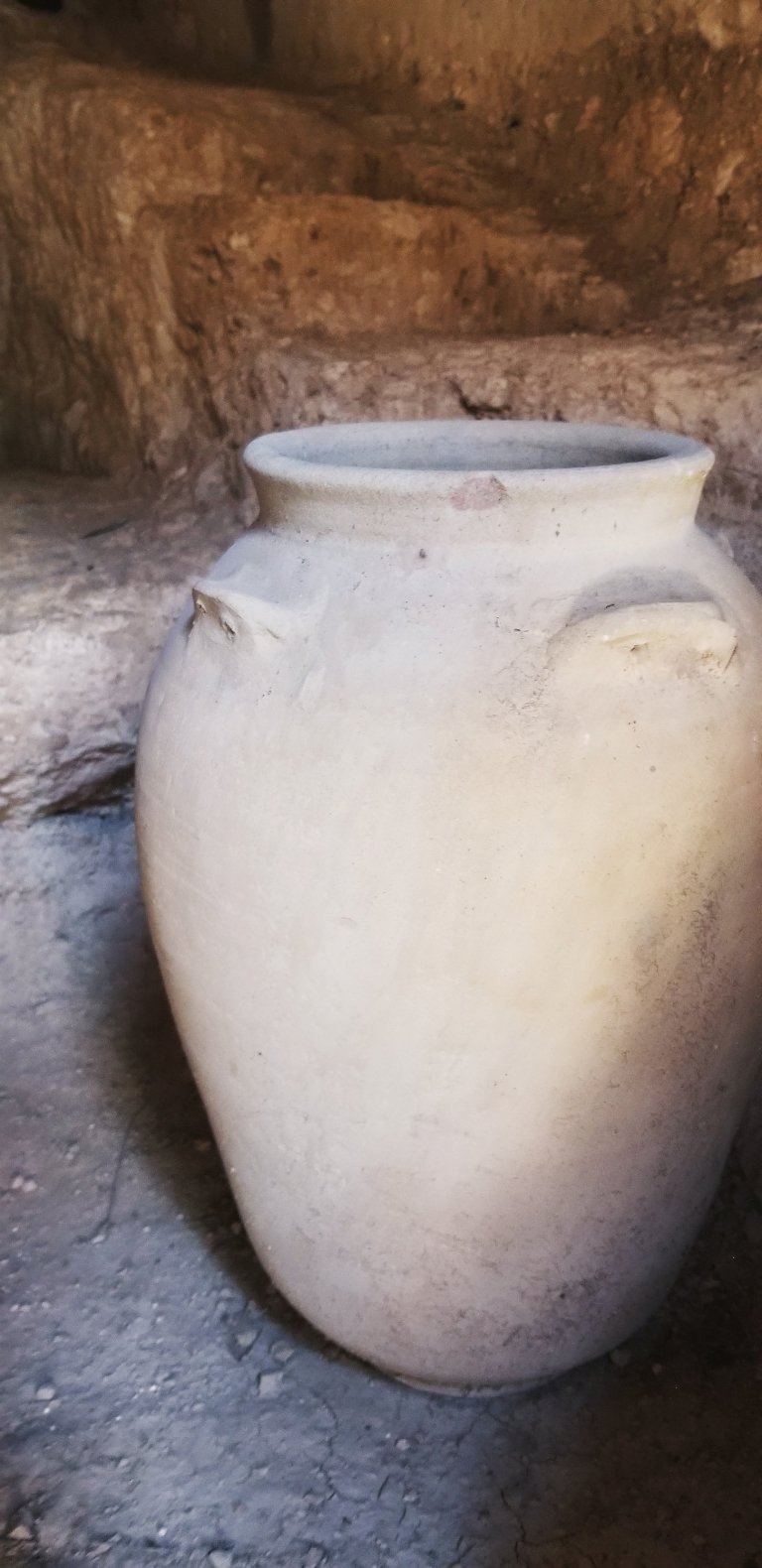
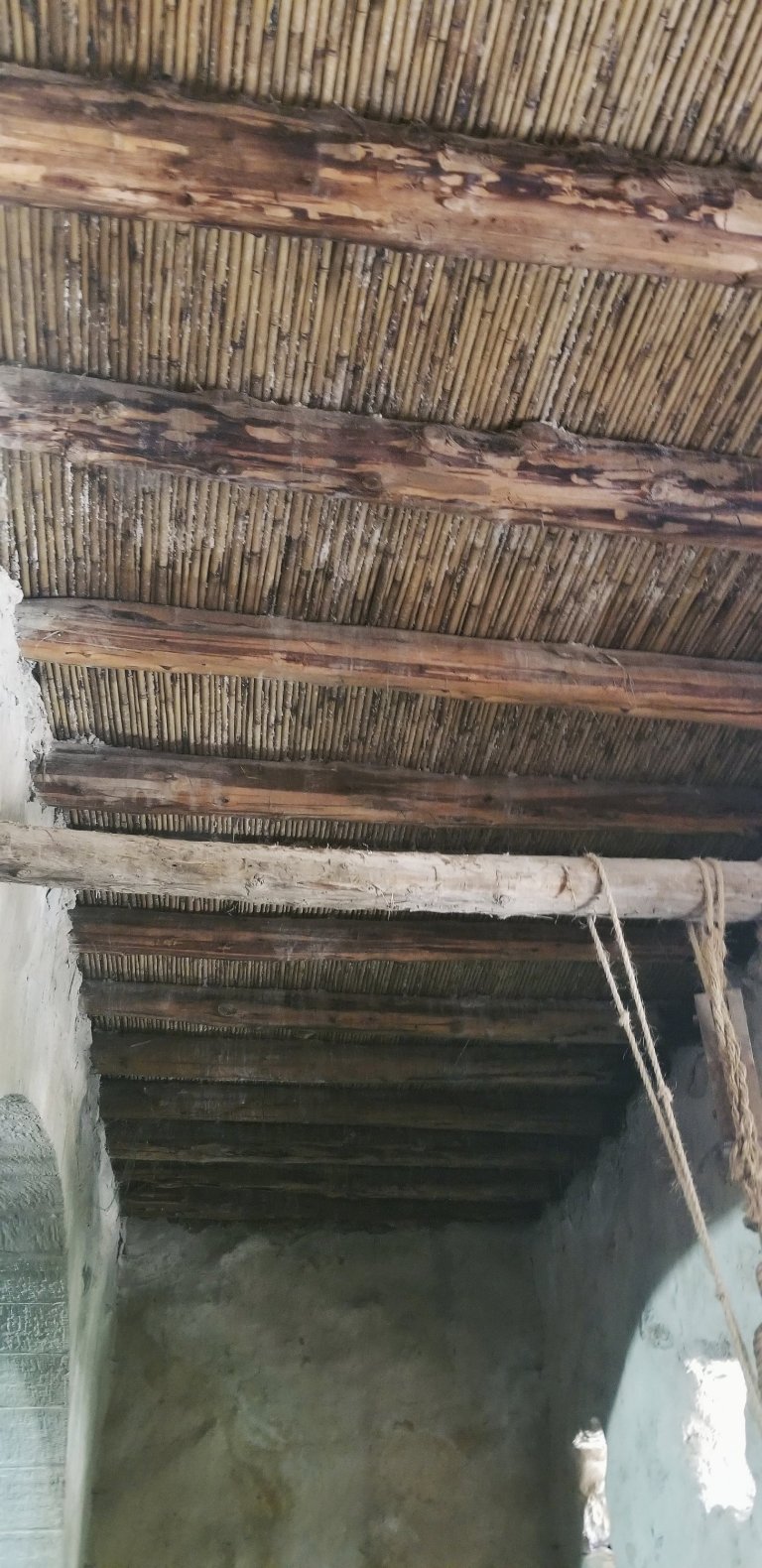
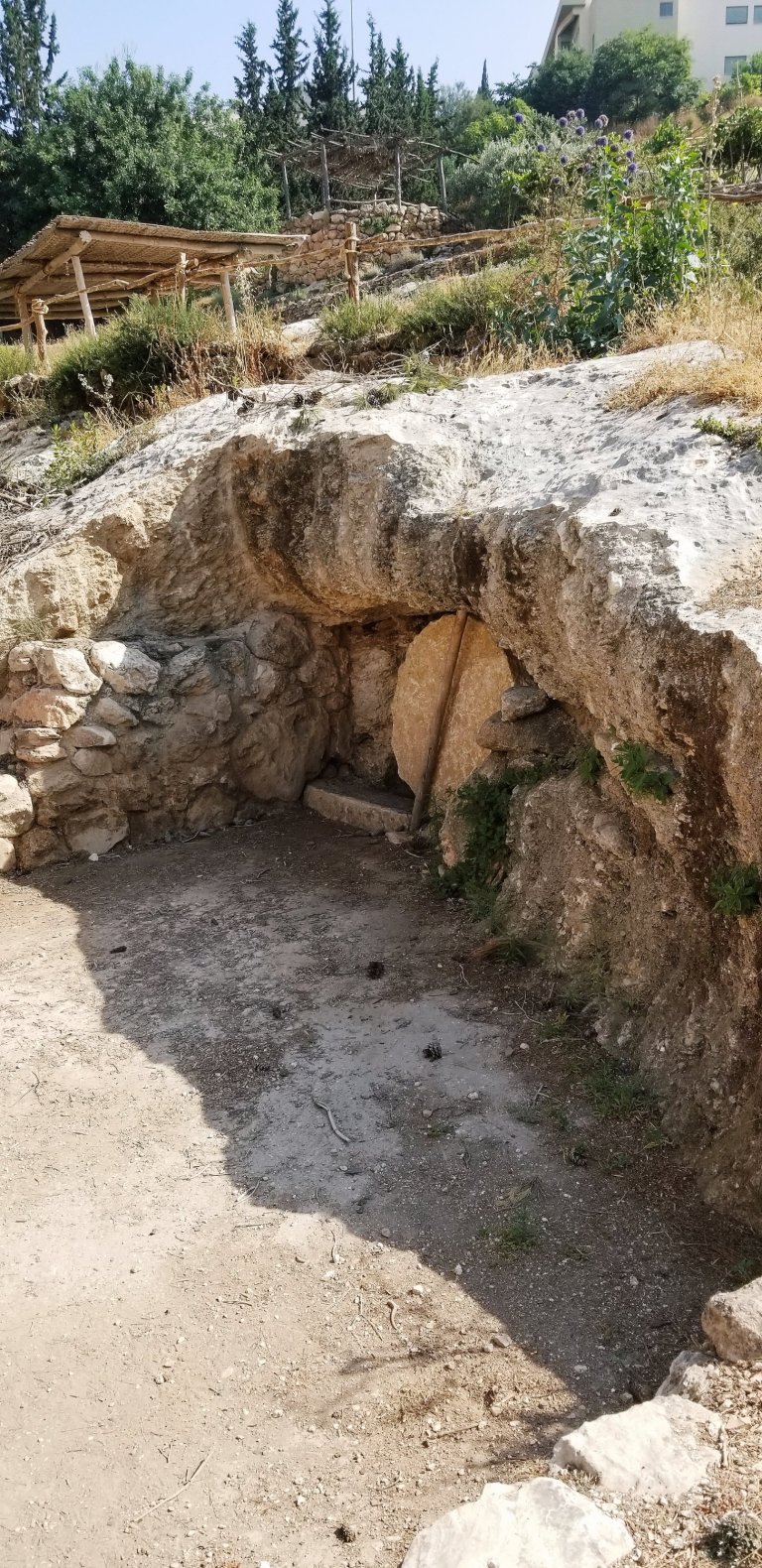
Nazareth Village is a recreation of a 1st century town, made to look the way Nazareth would have during Jesus’s time. We went there early Wednesday morning and took a tour of the small village.
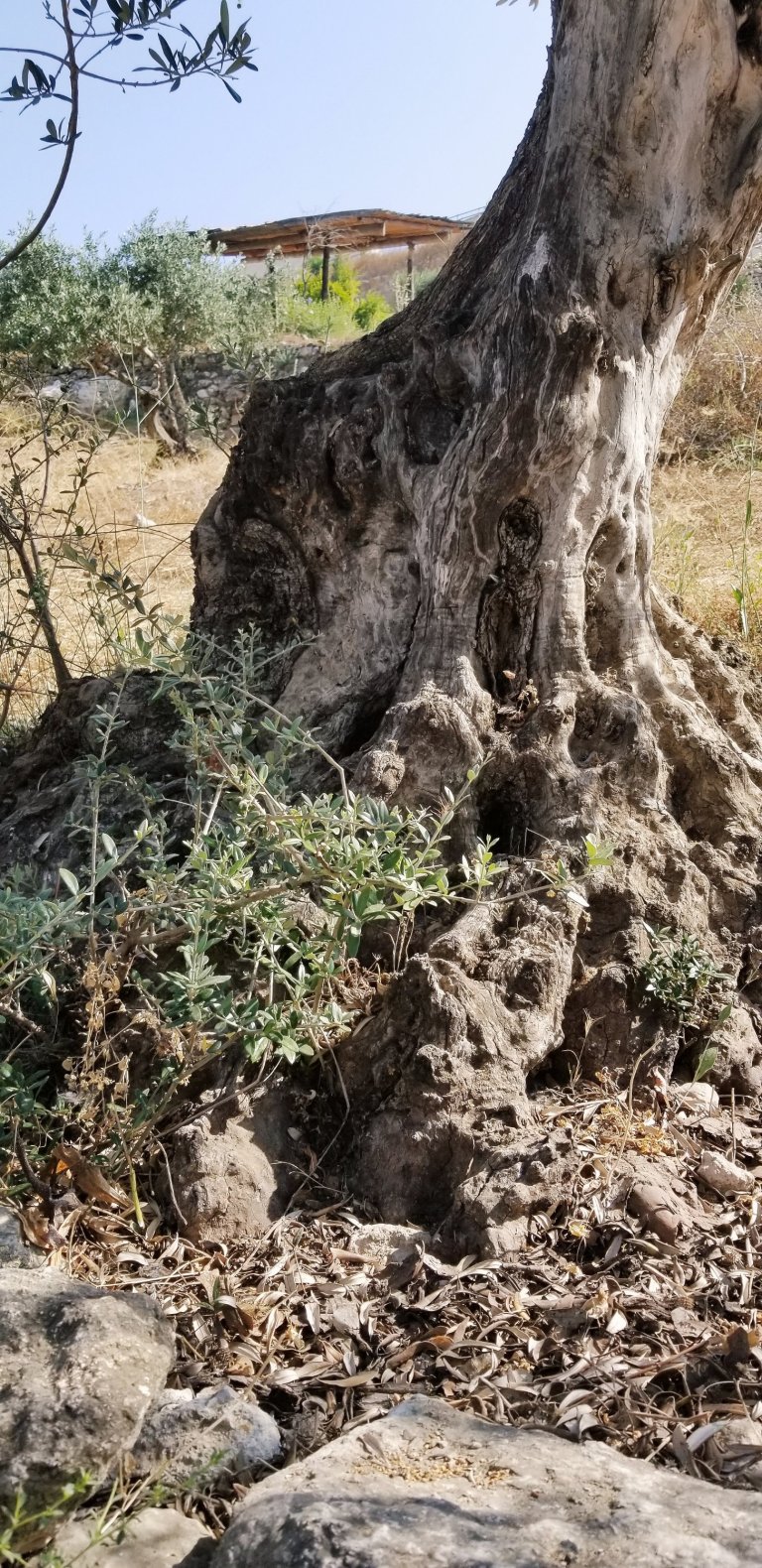
According to our guide, the name Nazareth comes from a word meaning “new shoot.” In Isaiah 11:1, the prophet Isaiah refers to Christ as a shoot coming up from the stump of Jesse. How fitting that Jesus would be from a village whose name meant “new shoot.”
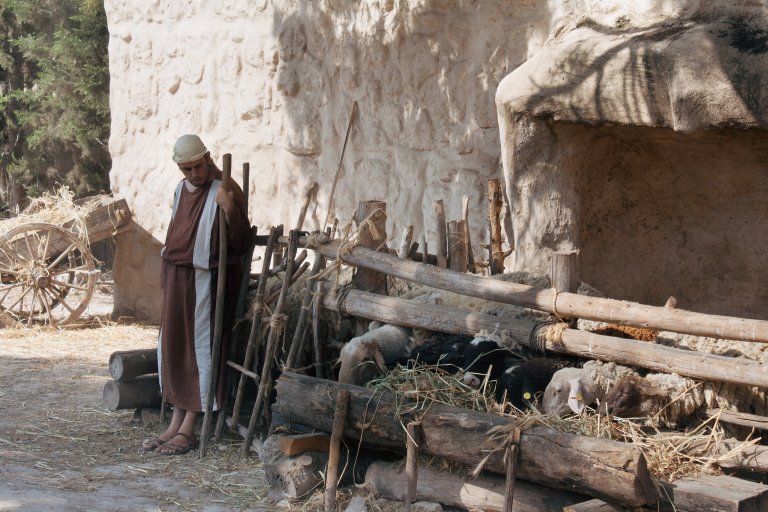
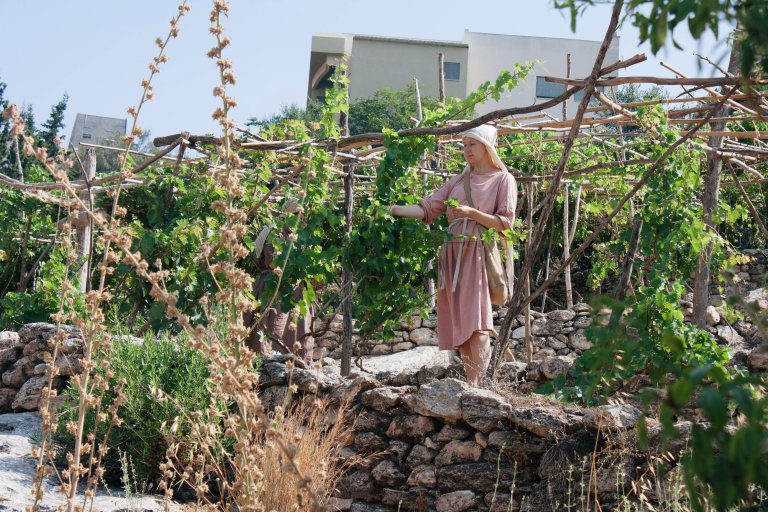
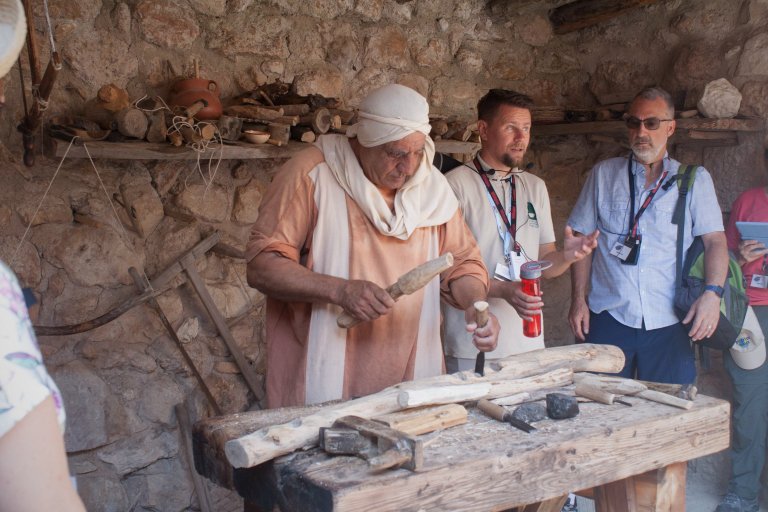
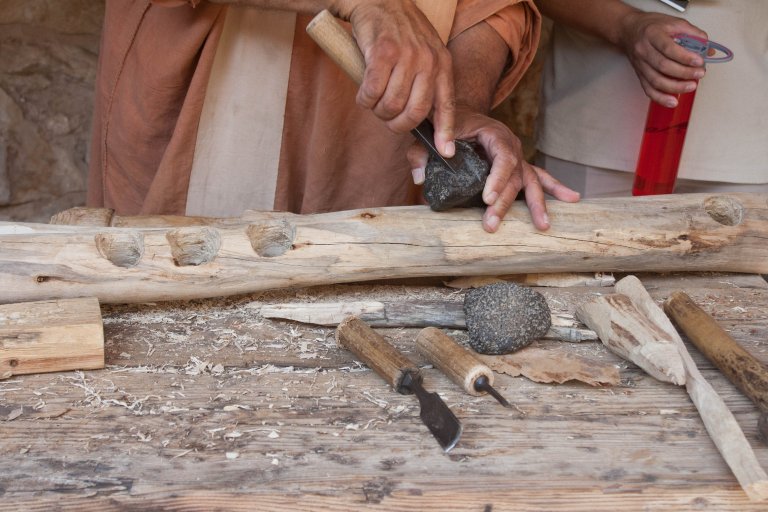
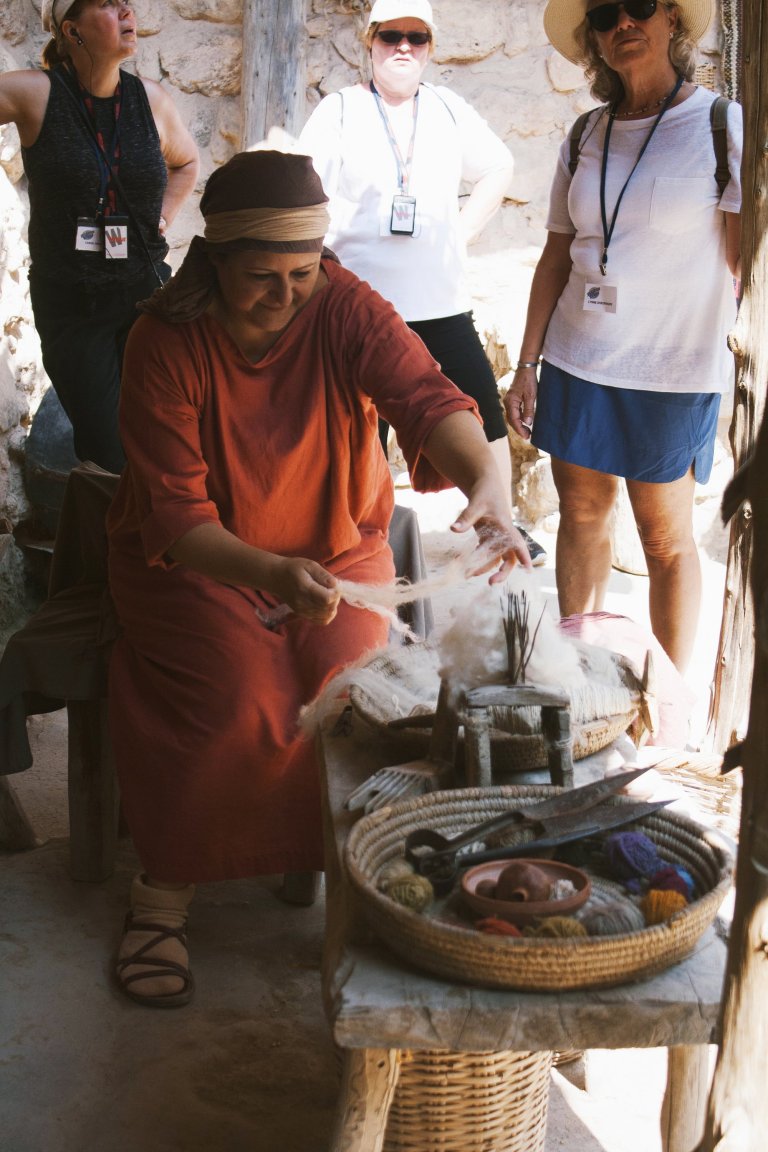
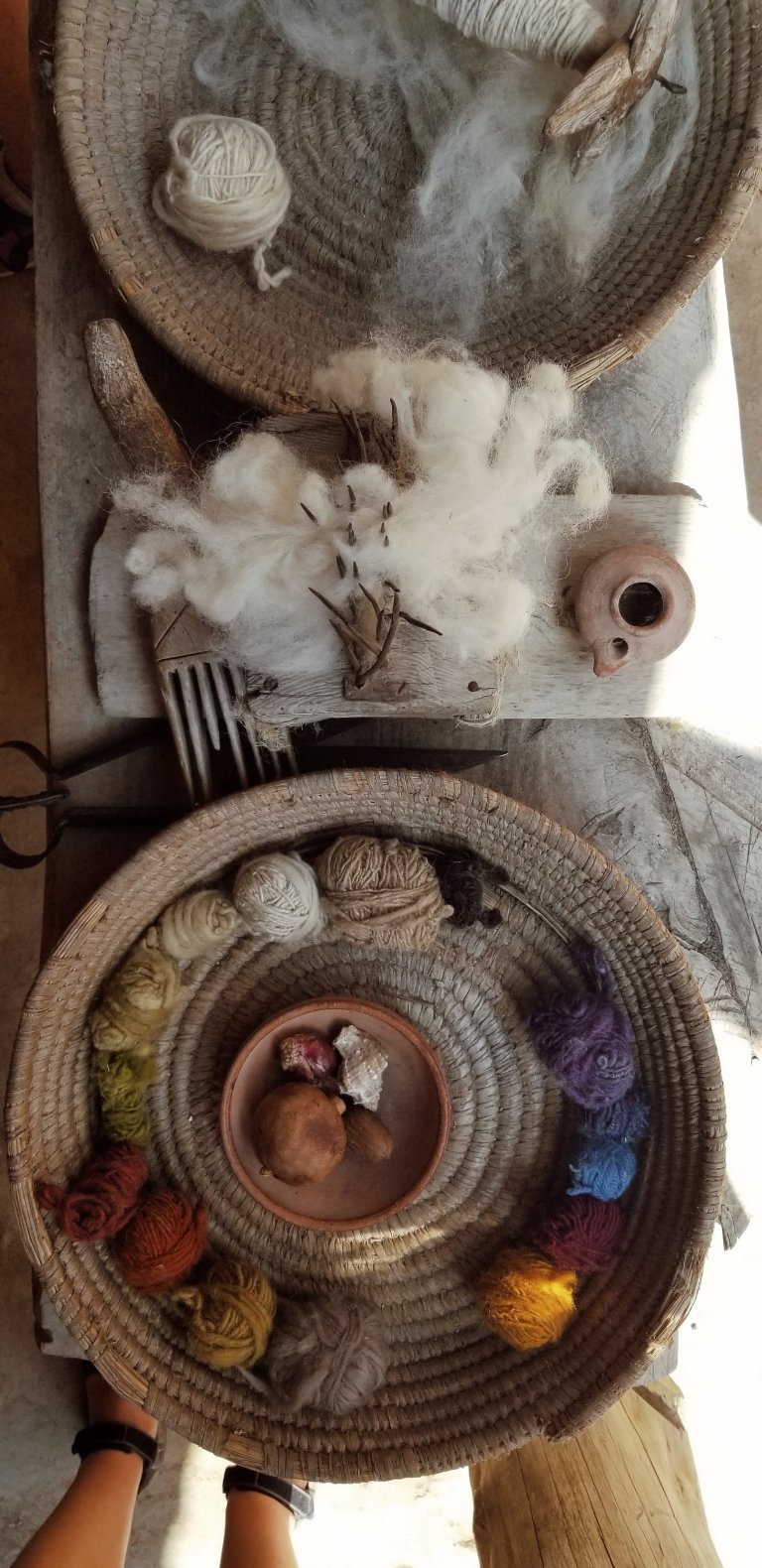
In the village were people in first century dress, doing things that people would have done back in the time of Jesus. We met a shepherd tending sheep, just getting ready to be sheared. We saw women picking grapes from the vineyards, a carpenter hard at work, and a seamstress making clothing from the sheep’s wool.
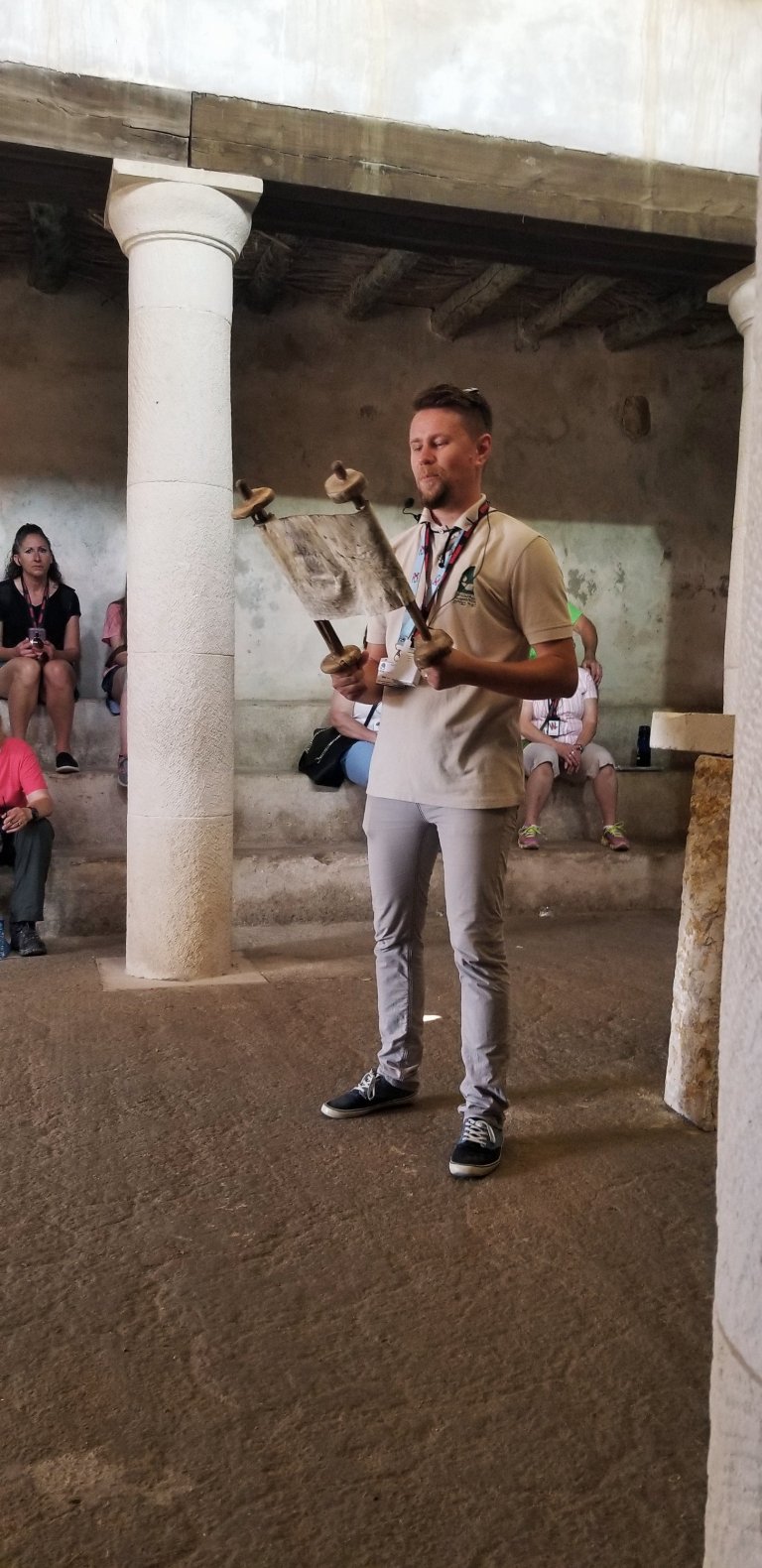
“The Spirit of the Lord is on me, because he has anointed me to proclaim good news to the poor. He has sent me to proclaim freedom for the prisoners and recovery of sight for the blind, to set the oppressed free, to proclaim the year of the Lord’s favor.”
Then he rolled up the scroll, gave it back to the attendant and sat down. The eyes of everyone in the synagogue were fastened on him. He began by saying to them, “Today this scripture is fulfilled in your hearing.”
It was the custom that when you read the scriptures you stood up, but when you taught, you sat down. This is why Jesus sat down after he was done reading, and all the eyes were fixed upon him, because he was about to teach them.
It was after this that the people tried to seize Jesus and throw him off a nearby cliff, because they believed that he was blaspheming. Jesus of course escaped them and disappeared, and it isn’t mentioned in scripture if he ever returned to Nazareth after this happened. Since he wasn’t accepted in his hometown, we know that most of his ministry took place elsewhere, where he might find willing hearts.
May our hearts always be willing and filled with the love of Christ.
Thank you for reading.
 Imagine Israel