Masada
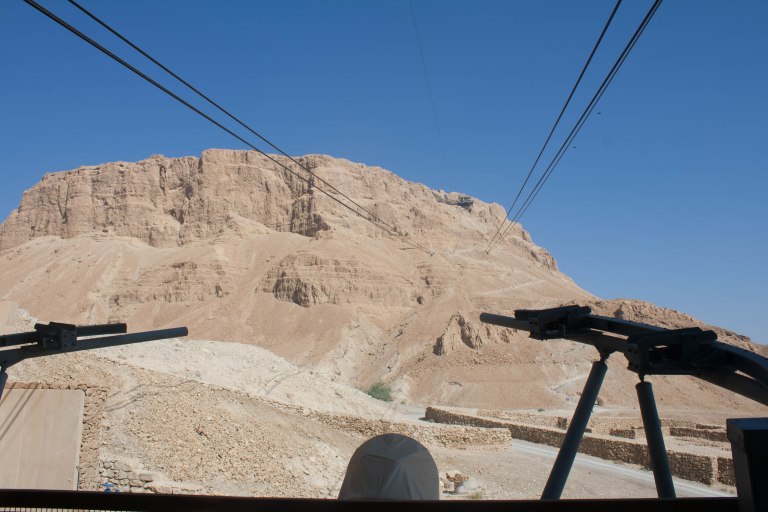
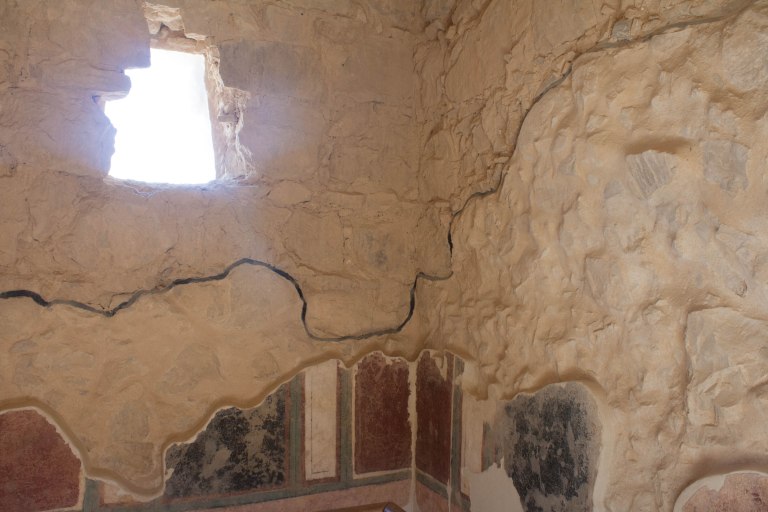
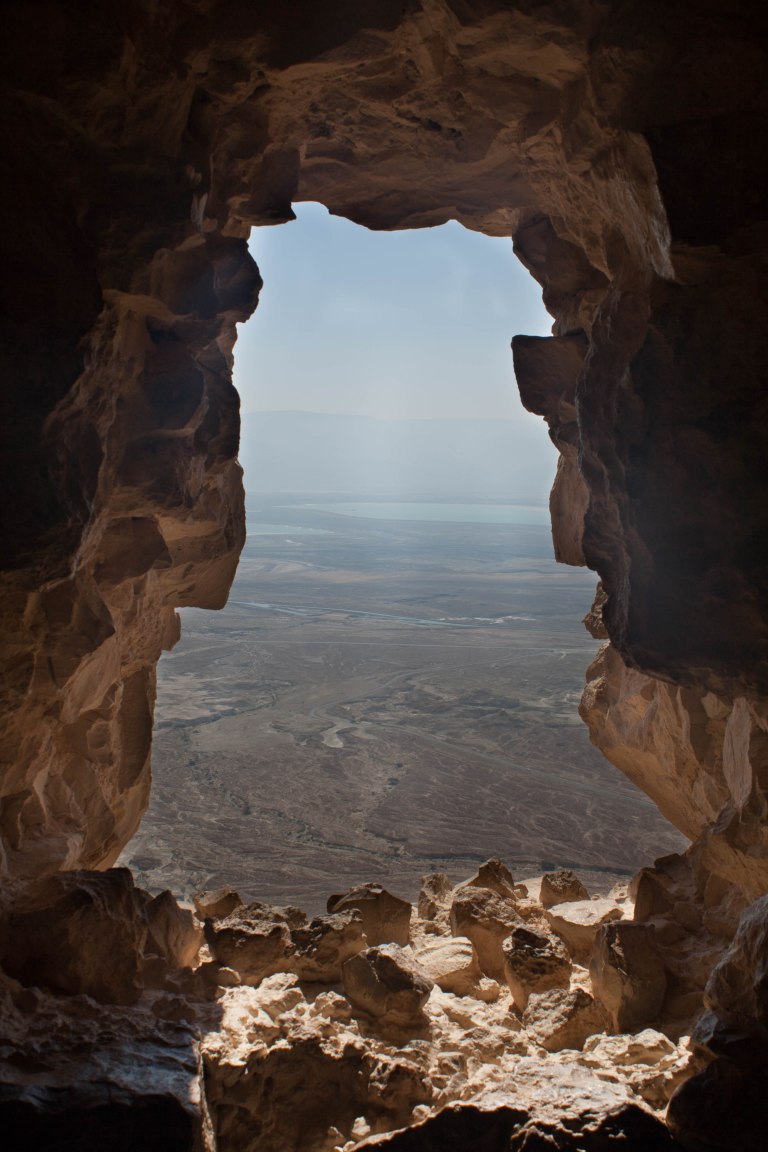
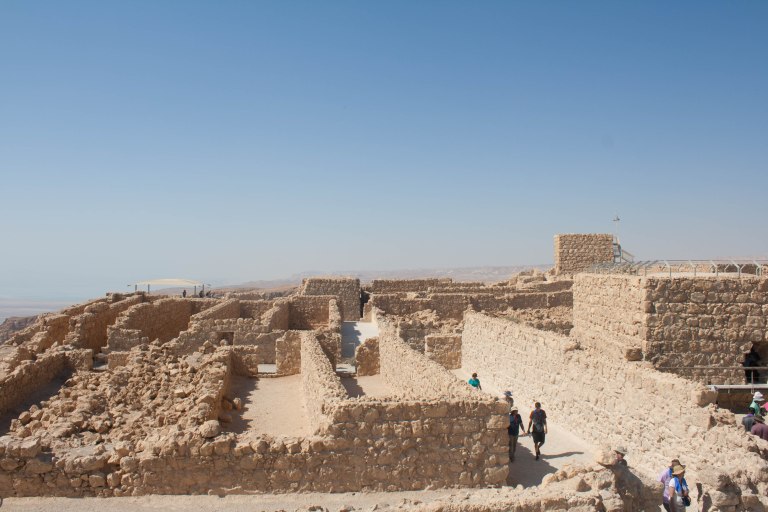
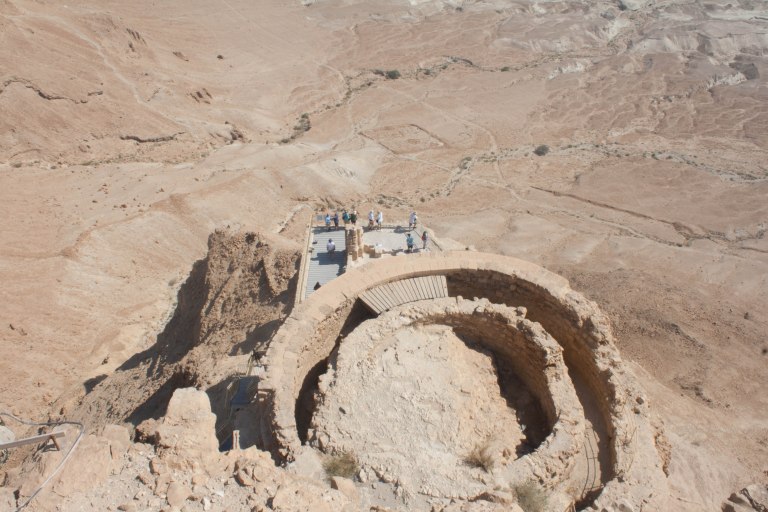
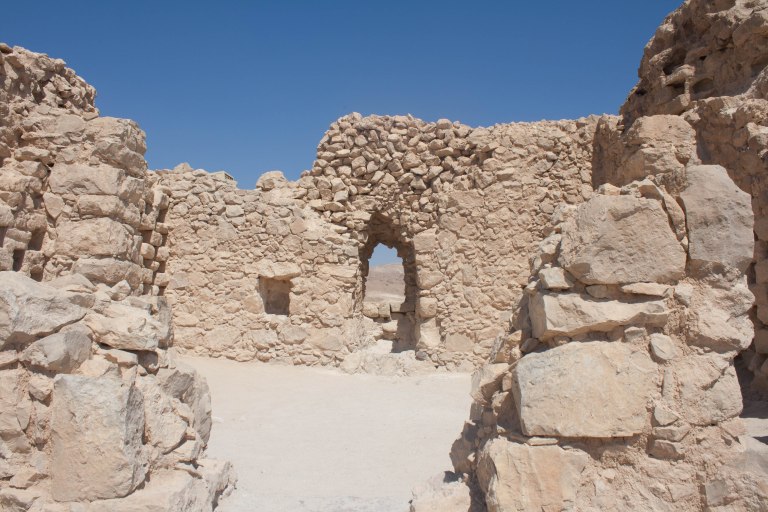
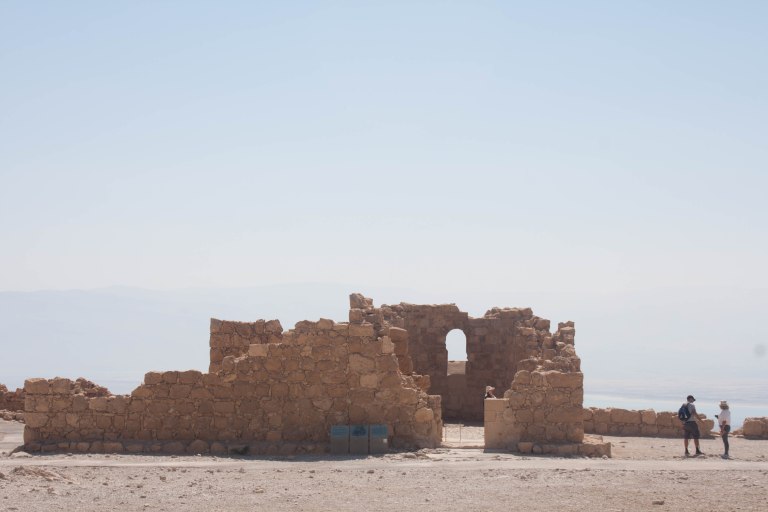
Masada means “stronghold.” Herod the Great built a palace and fortress atop the mountain in 36 B.C. that was impregnable. After the fall of Jerusalem, many jewish zealots and their families took refuge here. They were besieged by the Romans soon afterward. The Romans encamped around them and cut off their water and food supplies and built a massive ramp to reach the stronghold. The zealots inside, rather than be captured, tortured, or sold as slaves, took their own lives.
En Gedi
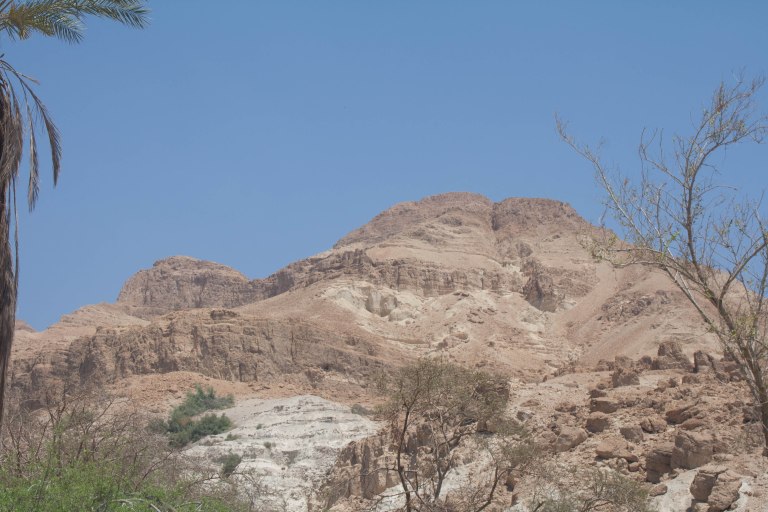
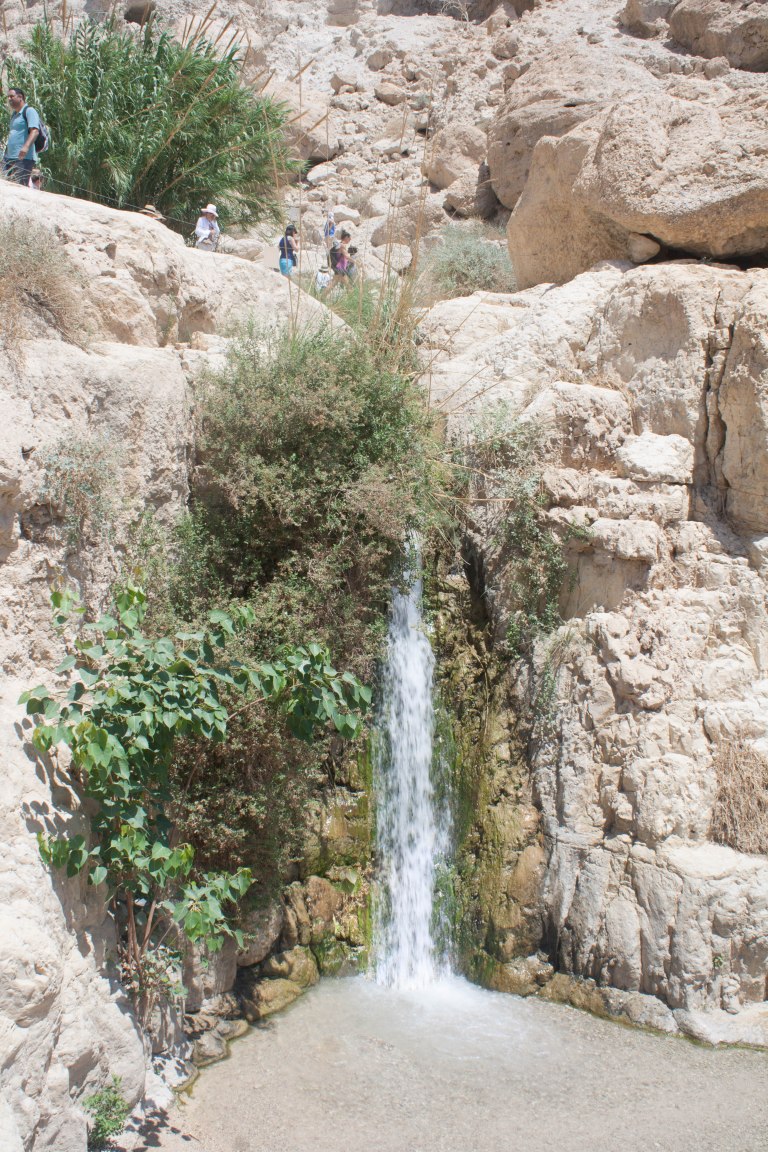
And David went up from there and lived in the strongholds of En Gedi.
– 1 Samuel 23:24 (NIV)
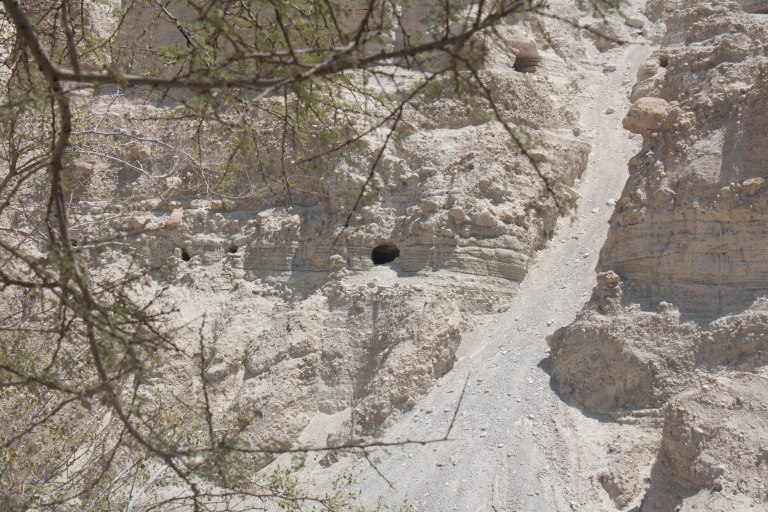
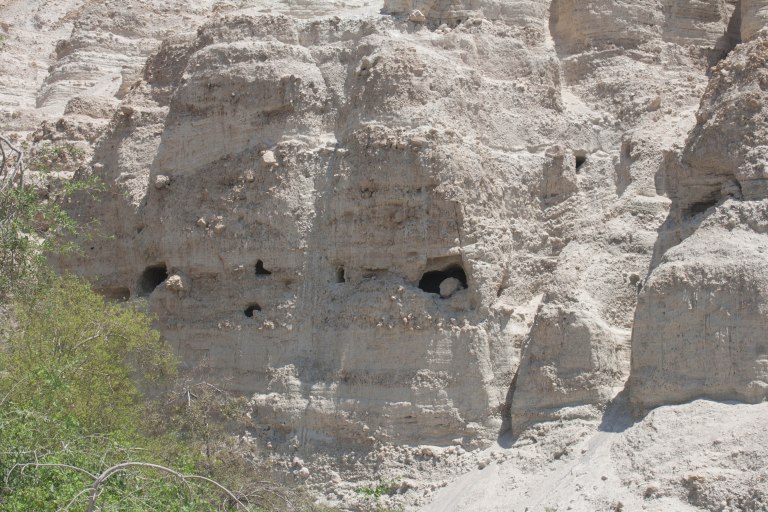
The next chapter in 1 Samuel tells the story of how David spared Saul’s life in one of the caves at En Gedi. It’s easy to overlook this miracle when reading the story, but after seeing all the caves, it really is a miracle that out of all the caves in the area, Saul just happens to stumble into the exact cave David and his men were staying in! This wasn’t overlooked by David or his men though. His men proclaimed, “This is the day the Lord spoke of when he said to you, ‘I will give your enemy into your hands for you to deal with as you wish.'” As we know, David chose to spare Saul’s life, which is one of the things that made him such an extraordinary person.
The Dead Sea
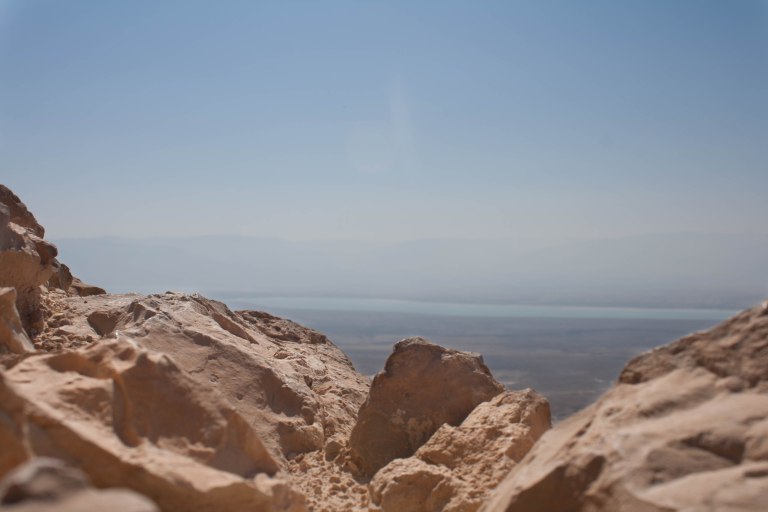
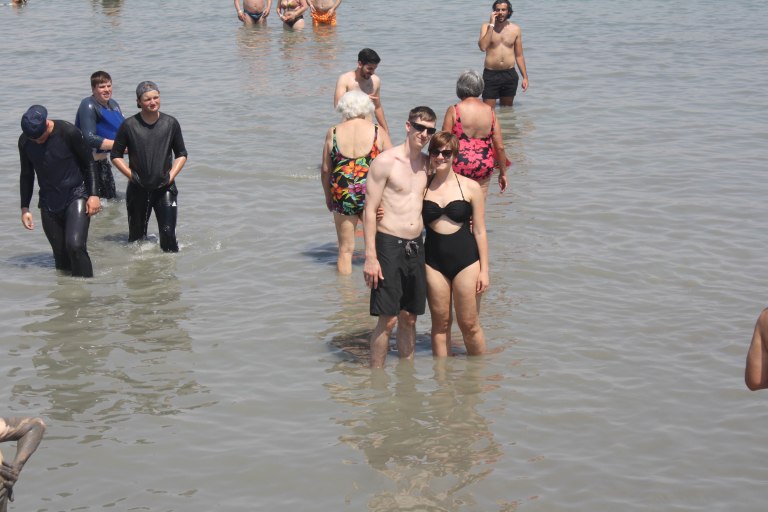
The Dead Sea is the lowest body of water on earth. The salt content is around 26-33% and nothing lives in it. Ordinary salt water is only around 4%! The water is extremely buoyant and anyone can float in it. We had a fun time floating and covering ourselves in the mud. They say the dead sea salt mud is good for your skin! There’s a huge market of cosmetics and body scrubs made from the mud and minerals from the dead sea. Though, since the water is so salty, it feels oily to the touch. Maybe that’s why my skin felt so soft afterwards? Who can say…
Thanks for reading! I’ll be posting soon about the Temple Mount in Jerusalem, so stay tuned! 🙂
 Imagine Israel
Your pictures bring back great memories of our trip, Jamie! Keep posting.
LikeLiked by 1 person
Thanks! I still have quite a bit of pictures left to share! 🙂
LikeLike