Banias
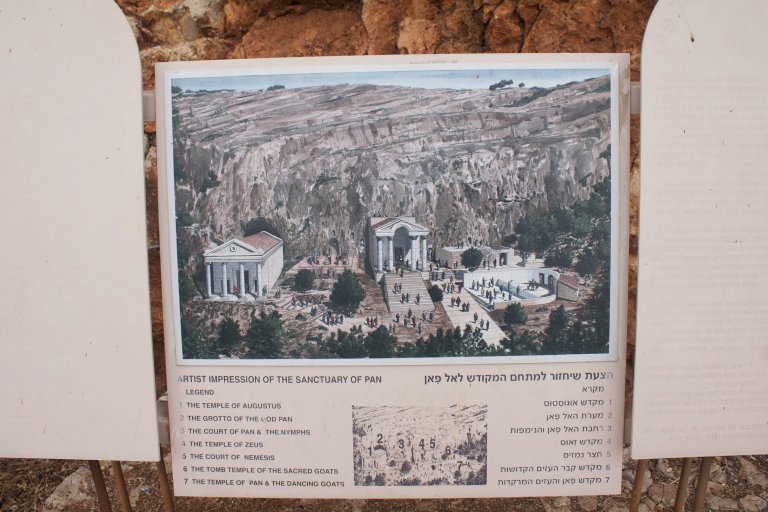
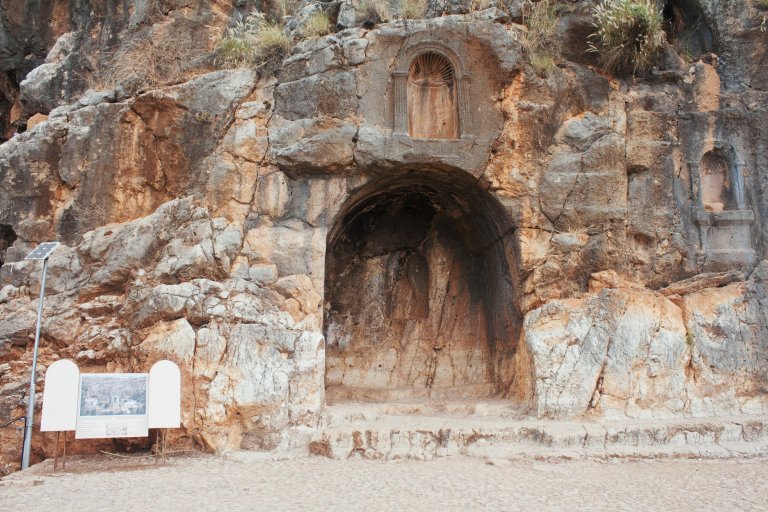
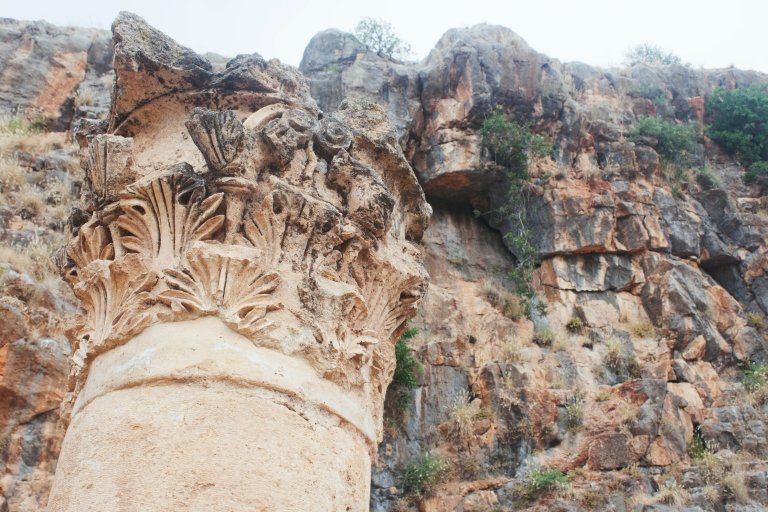
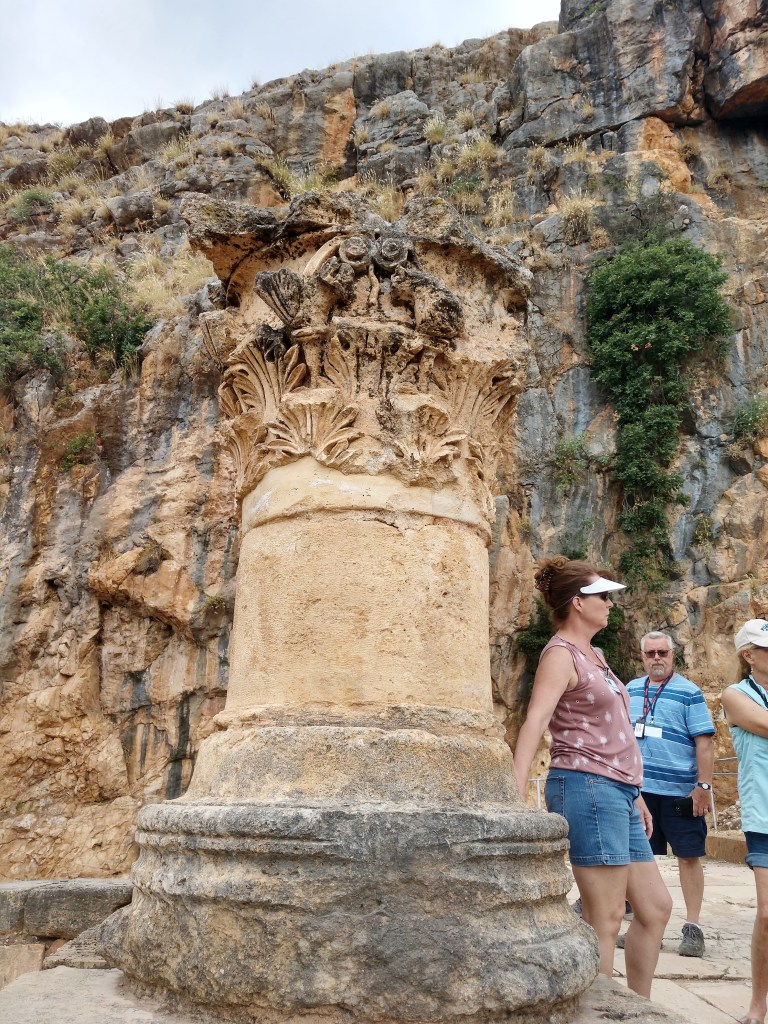
Banias is arabic for Paneas or Panias – The City of Pan. It was a prosperous city on the road to Damascus and many gentiles lived here. They worshiped Baal and other gods, namely, Pan.
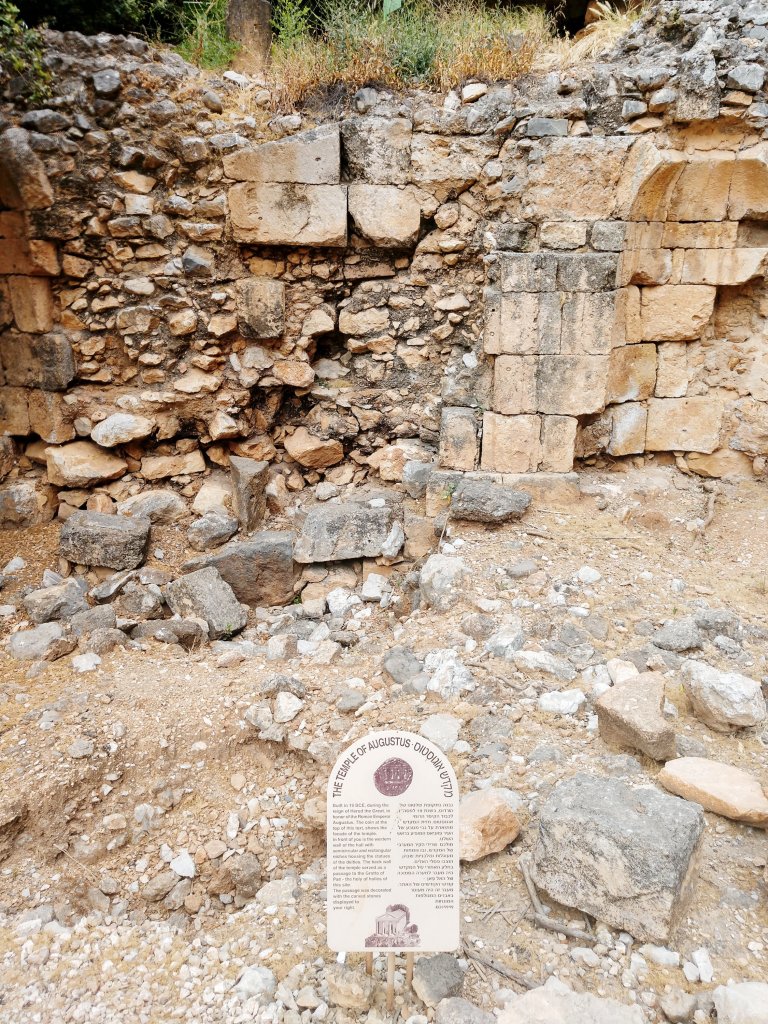
The city of Panias was given to King Herod by the Roman governor Augustus, which is why there was also a temple dedicated to Augustus here. After Herod’s death when his son Philip became ruler of the region, he renamed Panias Caesarea Philippi and made it his capital.
It was certainly no place any good jewish boy or girl would go. However, Jesus brings his disciples here.
In Matthew 16:13-18 it says:
When Jesus came to the region of Caesarea Philippi, he asked his disciples, “Who do people say the Son of Man is?”
They replied, “Some say John the Baptist; others say Elijah; and still others, Jeremiah or one of the prophets.”
“But what about you?” he asked. “Who do you say I am?”
Simon Peter answered, “You are the Messiah, the Son of the living God.”
Jesus replied, “Blessed are you, Simon son of Jonah, for this was not revealed to you by flesh and blood, but by my Father in heaven. And I tell you that you are Peter, and on this rock I will build my church, and the gates of Hades will not overcome it.”
– Matthew 16:13-18 (NIV)
The cave where people worshiped Pan was also referred to as the gate to Hell, or Hades. Jesus was saying that it didn’t matter that they were in a region where other gods were worshiped, because those gods weren’t real. Pan isn’t real and the gospel of Jesus cannot be overcome because Jesus is the son of the only living God!
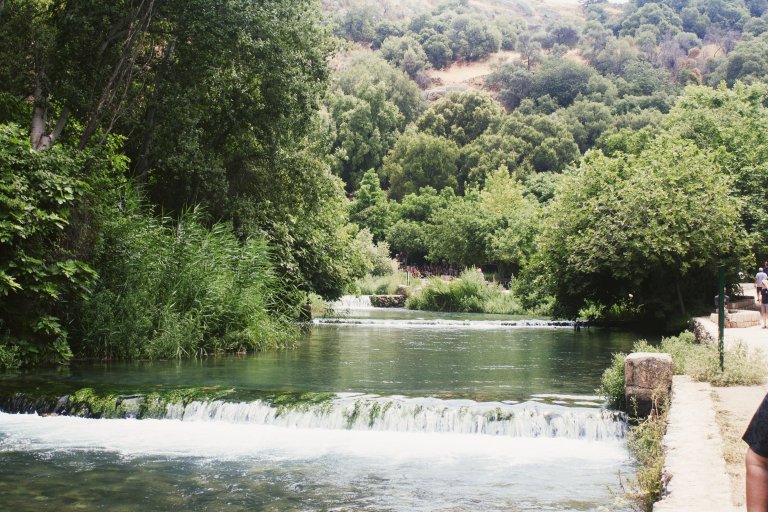
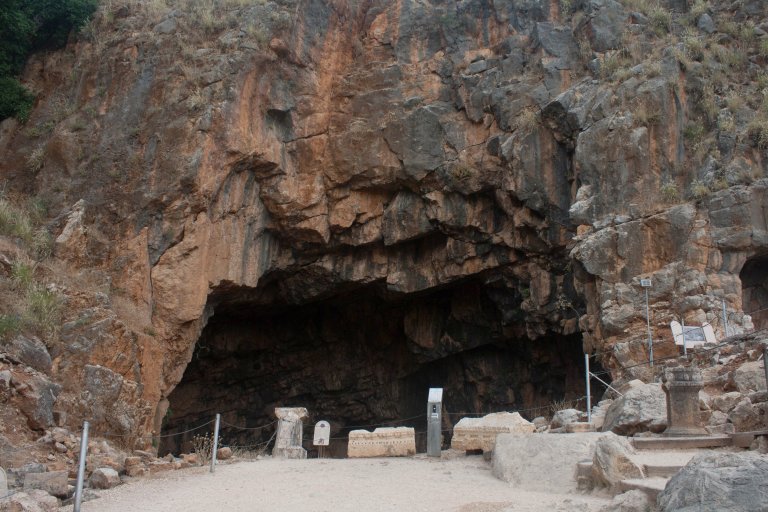
This is the cave where acts of beastiality where performed in worship to Pan, who was believed to be half man, half goat.
Kursi
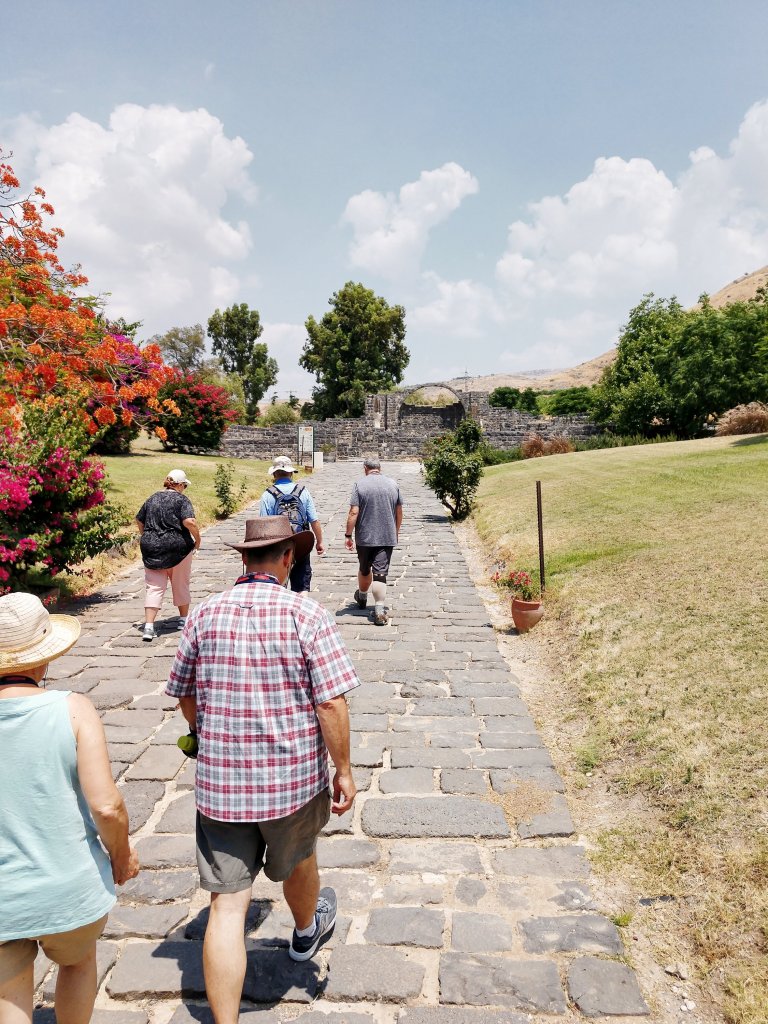
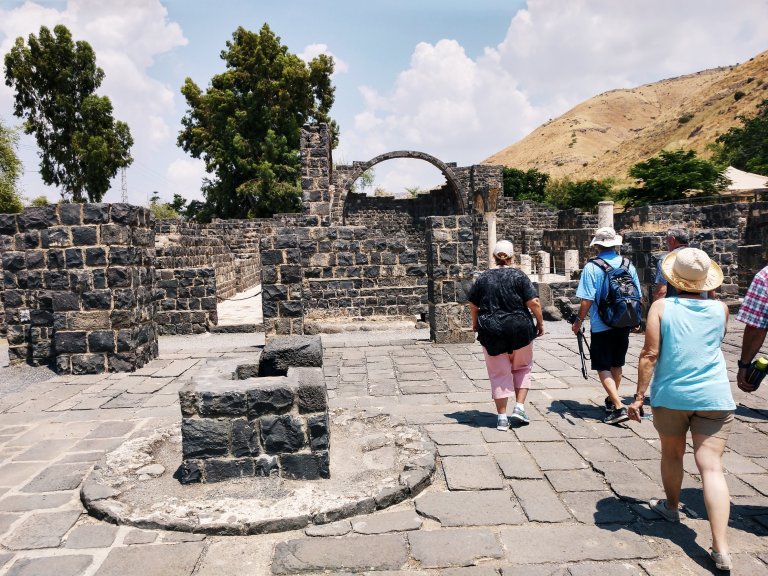
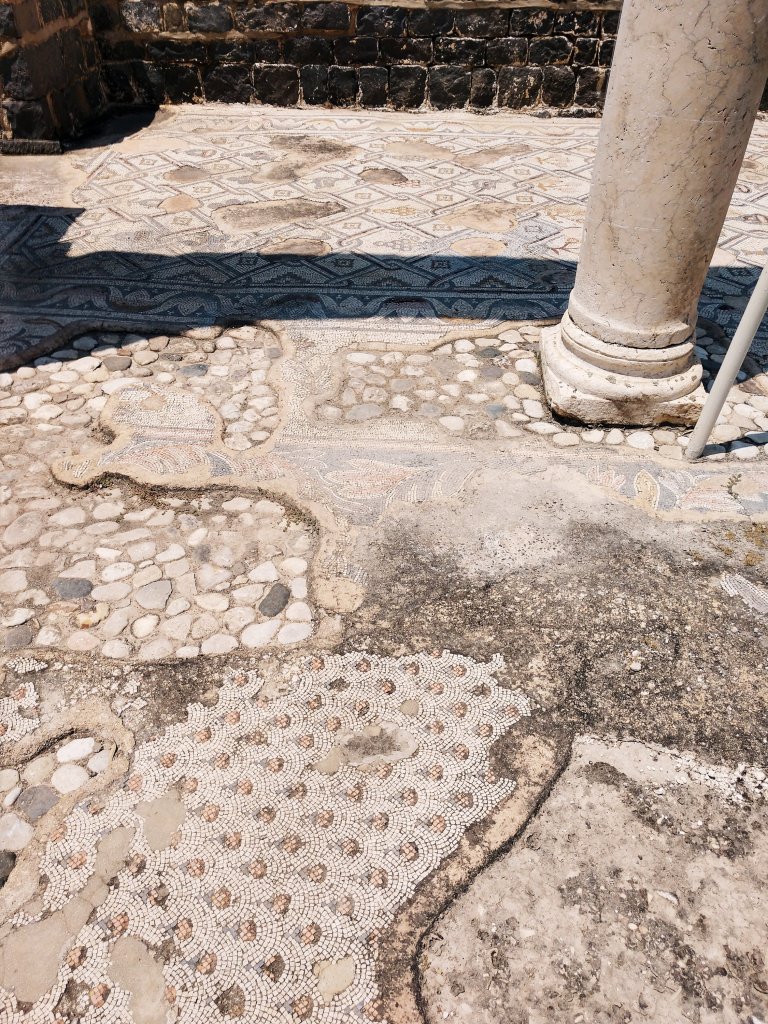
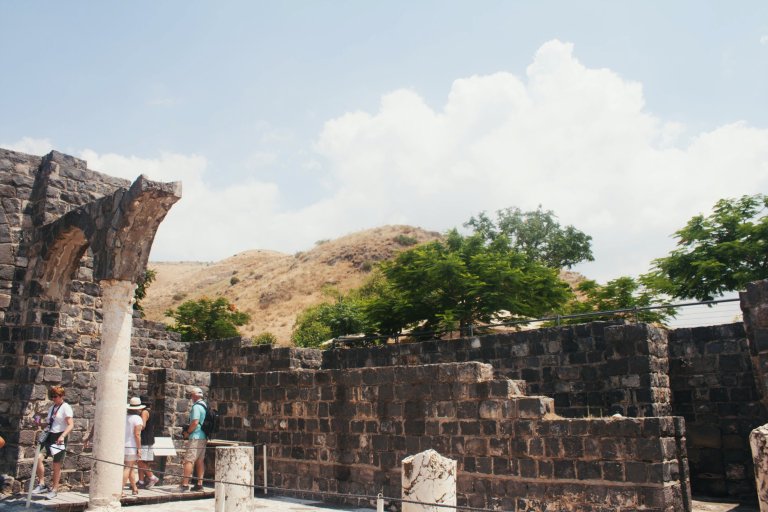
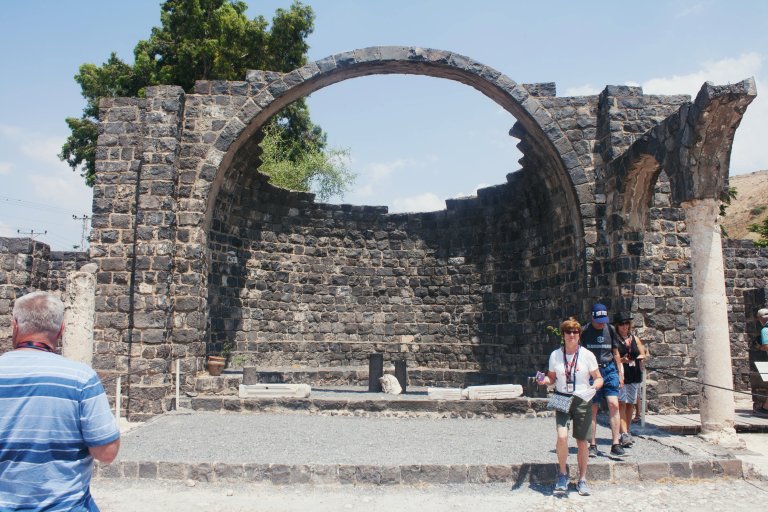
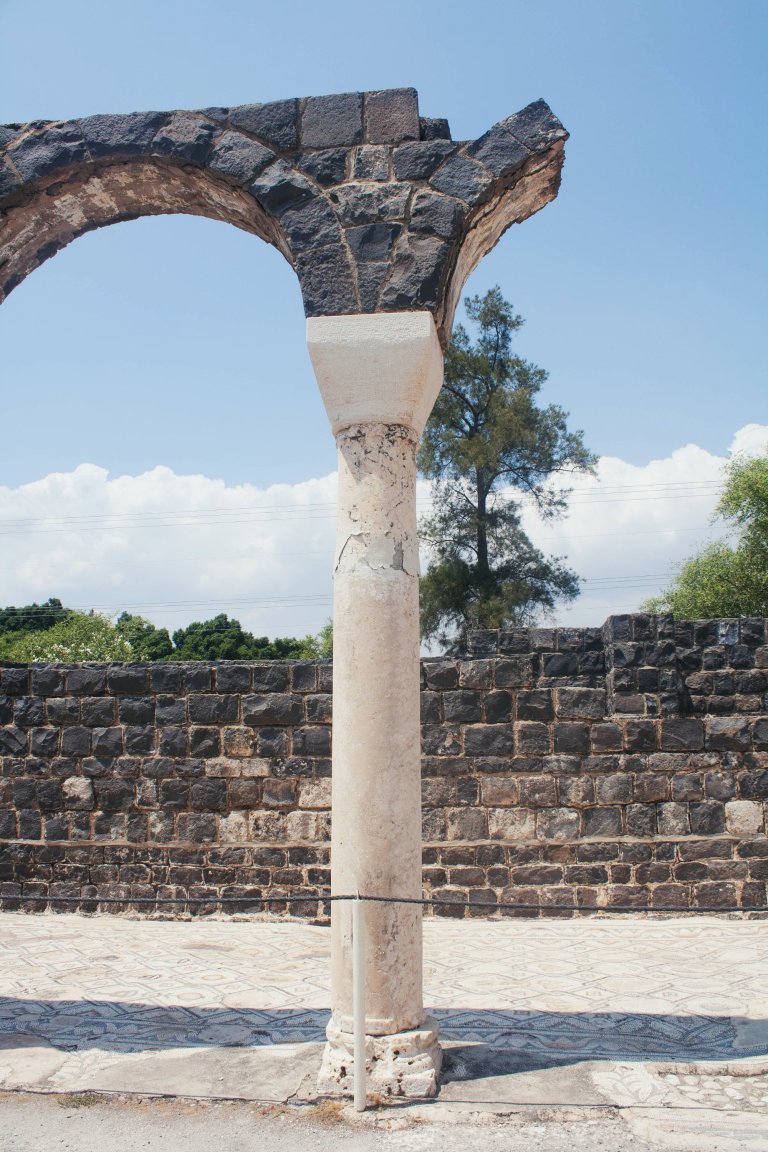
After leaving Banias, we went to Kursi, another area near the Sea of Galilee. It is also known as the region of the Gerasenes, or Gadarenes. It is the only place in the world where a mountain extends down into the seashore. Because of this, it is traditionally believed to be the place where Jesus cast out the legion of demons and sent them into a herd of pigs.
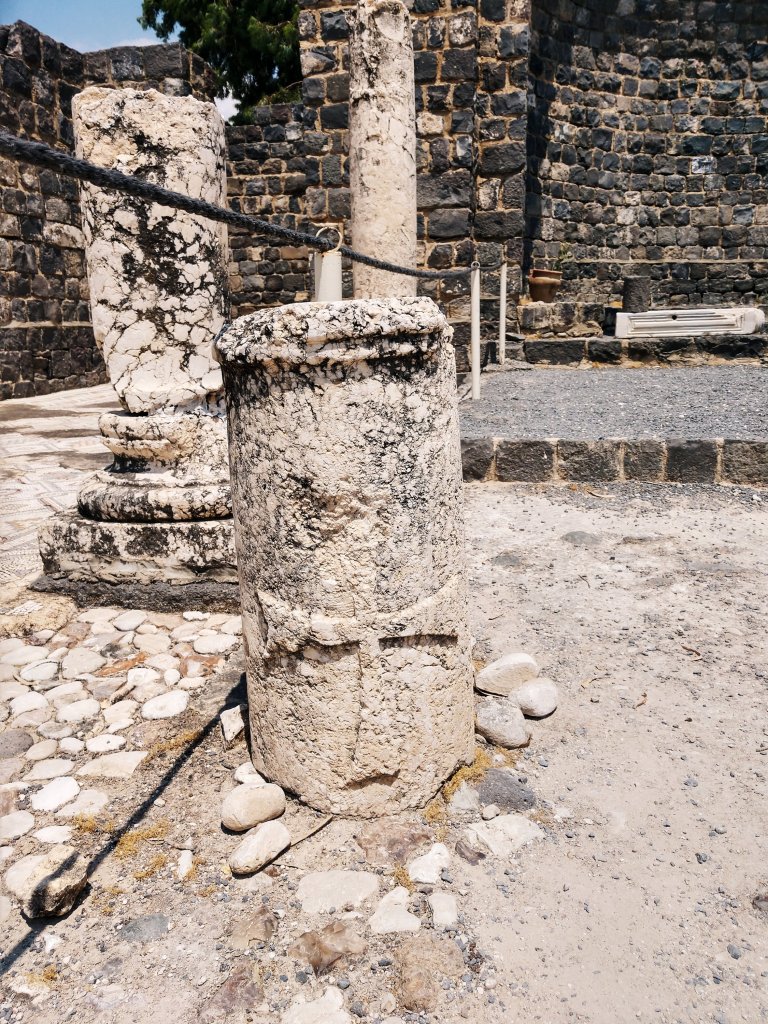
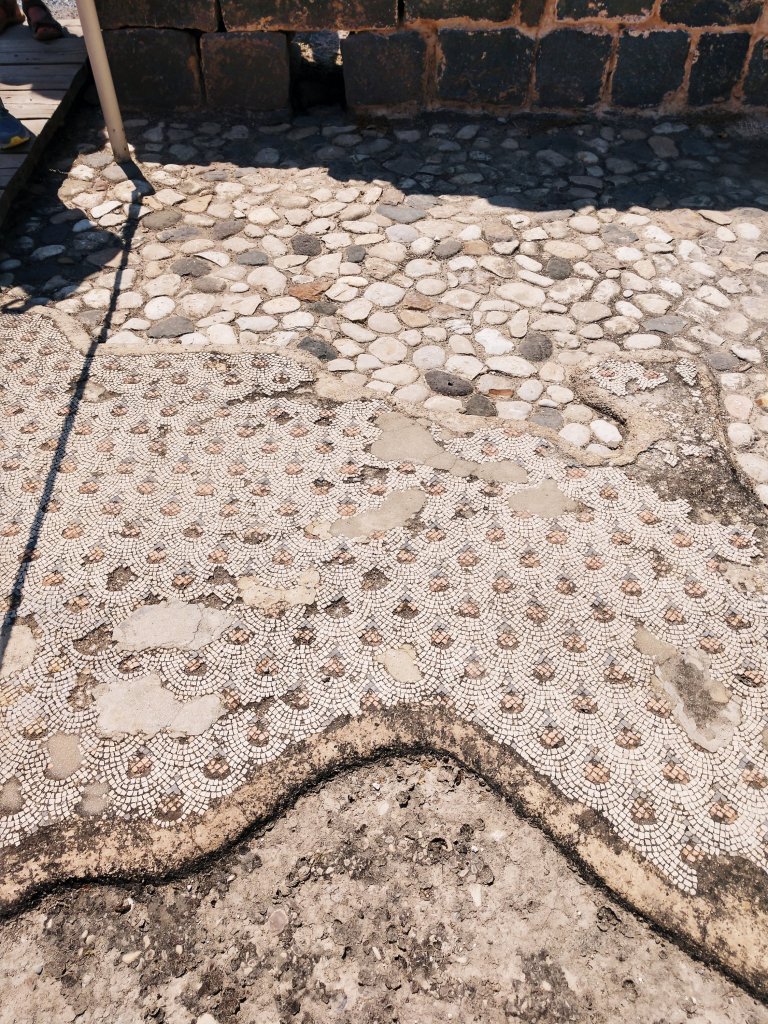
There is also a Byzantine monastery here from the late 5th century. This also gives evidence to this being the place Jesus cast out the legion of demons, because churches and monasteries were usually built in places of significance. It was to the ruins of the monastery that we visited and read the story of Jesus casting out the demons.
They went across the lake to the region of the Gerasenes. When Jesus got out of the boat, a man with an impure spirit came from the tombs to meet him. This man lived in the tombs, and no one could bind him anymore, not even with a chain. For he had often been chained hand and foot, but he tore the chains apart and broke the irons on his feet. No one was strong enough to subdue him. Night and day among the tombs and in the hills he would cry out and cut himself with stones.
When he saw Jesus from a distance, he ran and fell on his knees in front of him. He shouted at the top of his voice, “What do you want with me, Jesus, Son of the Most High God? In God’s name don’t torture me!” For Jesus had said to him, “Come out of this man, you impure spirit!”
Then Jesus asked him, “What is your name?”
“My name is Legion,” he replied, “for we are many.” And he begged Jesus again and again not to send them out of the area.
A large herd of pigs was feeding on a nearby hillside. The demons begged Jesus, “Send us among the pigs; allow us to go into them.” He gave them permission, and the impure spirits came out and went into the pigs. The herd, about two thousand in number, rushed down the steep bank into the lake and were drowned.
-Mark 5:1-13 (NIV)
From a place where a made up god was worshiped, to a place where Jesus cast out the very real threat of the Devil, the truth remains that “the gates of Hades” will never overcome against the power of Jesus Christ! Those who are in Jesus have nothing to fear. Praise God, and thank you for reading!
 Imagine Israel